When it comes to car ownership, most people do not think much about spare keys until they really need them. A lost or broken key can throw your entire day off balance. Planning ahead with the right number of spares helps avoid that stress. In this post, we explain how many extra keys to keep, who should have one, and how to store them safely. We also look at the types of keys used in today’s vehicles, so you know what makes sense for your situation.
How Many Spare Keys Is Enough?
One spare key is the bare minimum we recommend for any vehicle owner. However, depending on your lifestyle, it may not be enough. If more than one person drives your car regularly, each driver should have their own key. That way, no one is left stranded or borrowing someone else’s. Families with teenagers or elderly parents often benefit from keeping two spares at home.
Some drivers also choose to keep an emergency key in a magnetic lockbox under the car or hidden somewhere safe at home. That’s especially useful for people who frequently misplace items or travel long distances. It adds peace of mind without needing to call for help when locked out. As a general rule, two spare keys cover most situations without becoming excessive.
Types of Spare Keys and What to Know
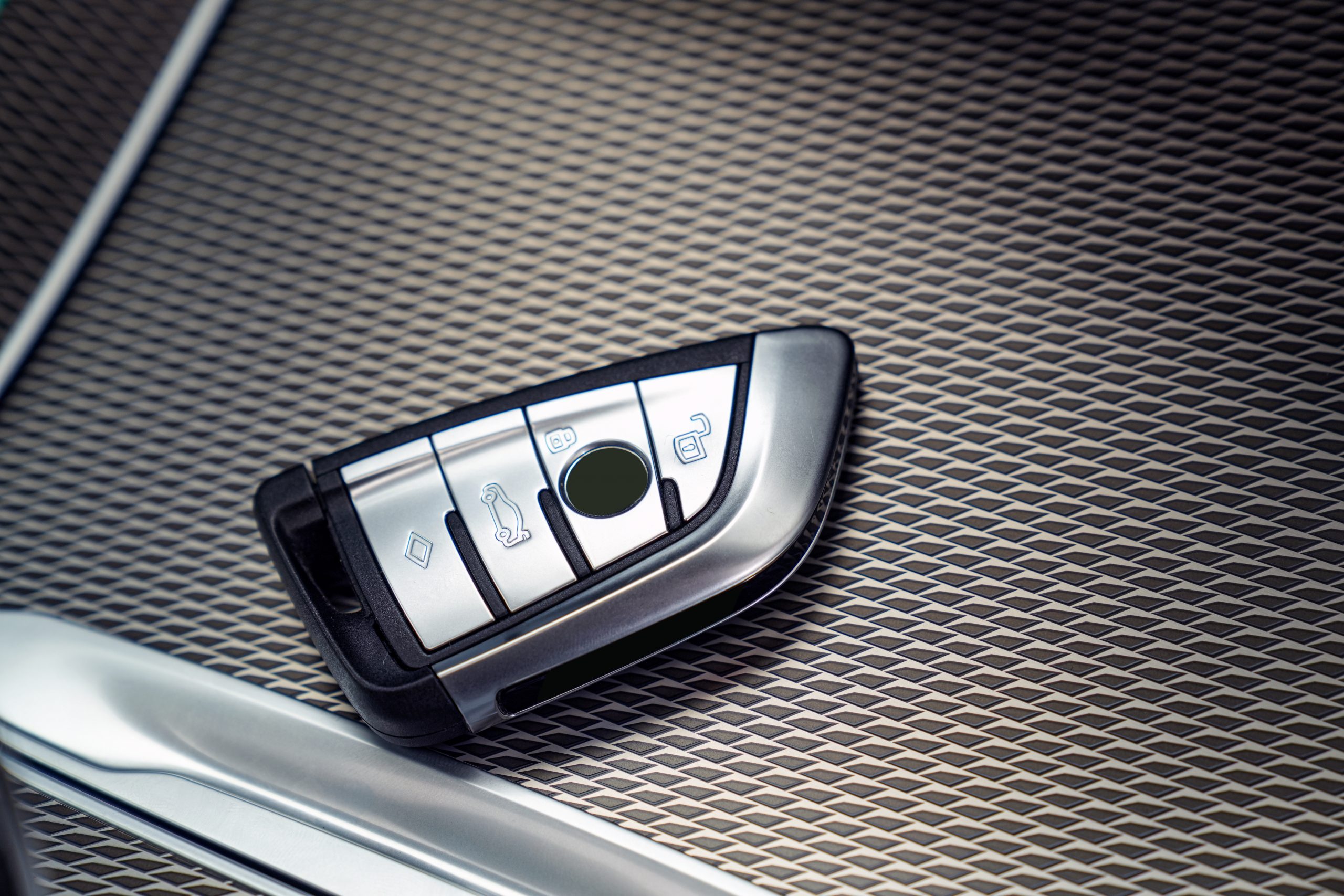
Different cars require different types of keys. Basic older models may use simple mechanical cut keys. These are easy to copy and affordable. But most modern vehicles need more advanced keys. That includes remote fobs, chip-embedded transponder keys, and proximity smart keys.
Each type has its own duplication method. For instance, basic keys can be cut on a standard machine. But transponders must be programmed to match your car’s ignition system. A smart key often requires specialized tools and software. That’s why making spares should always be done by a trained professional. To learn more about this process, visit our page on car key duplication in Ottawa.
It’s not just about cutting metal. It’s about matching security codes so the new key works exactly like the original. Trying to cut corners here may lead to an unusable key or damage your ignition. We suggest confirming what kind of key your car uses before requesting any duplicates.
Who Should Keep a Spare Key?
Sharing keys with someone else should be done with care. For households with multiple drivers, each regular user should carry their own key. This avoids miscommunication or losing time waiting for someone to return with the only copy. Couples, adult children, and roommates benefit from this setup.
We also advise keeping a spare in the hands of someone you trust. That might be a nearby friend or relative who could bring it to you if needed. Make sure they understand how to use the key, especially if it includes buttons or electronic features.
Drivers who use valet parking often or rely on car shares may want to create a valet copy. This is a limited-function key that opens doors and starts the car but doesn’t unlock the glove box or trunk. Valet keys help protect your belongings while still allowing access for specific use.
Risks of Not Having Spares Ready
Many people wait until a key is lost before thinking about a spare. That’s when stress rises and costs grow. Without a spare, we often see people stranded far from home, especially if it’s late at night or in poor weather. In some cases, they even need to tow their vehicle just to regain access.
Modern keys are not cheap or fast to replace. If all copies are gone, we must decode the car’s locks or reprogram the system completely. That takes more time and effort than copying an existing key. Having a spare avoids this situation entirely and saves you money and time in emergencies.
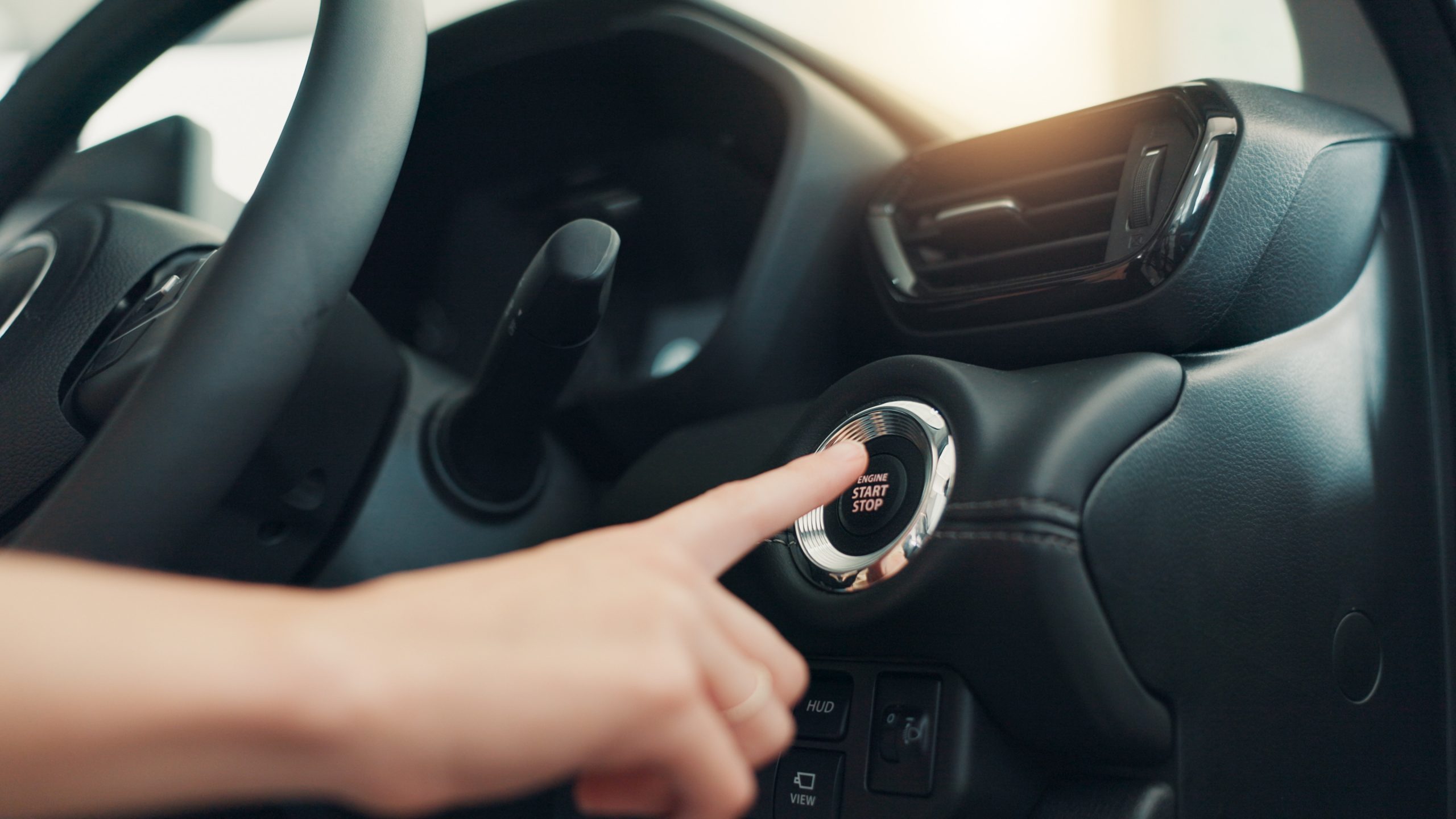
Some drivers also find themselves locked out while their car is still running. This happens more often with smart keys and push-start systems. That’s another reason to consider at least one extra stored in a safe and reachable place. If this has happened to you before, it’s time to prepare for next time.
Where to Store Spare Keys Safely
Keeping spare keys accessible without putting them at risk takes planning. Leaving a key in your glove box or center console is not secure. If the car gets stolen, so does your only backup. We suggest keeping at least one key at home in a secure location like a safe or a locked drawer.
Some people use small magnetic boxes to hide a key on their vehicle’s frame. While this helps in lockout situations, it also comes with risks. Anyone who finds it gains full access to your car. If you go this route, use strong magnets and hide it very carefully.
Another smart option is keeping one spare with a trusted person. Choose someone who can reach you quickly if you’re locked out. That way, you avoid locksmith charges or damage from trying to force entry. These small steps now prevent bigger problems later.
Signs It’s Time to Make Another Spare
Spare keys are not just about emergencies. They wear out like anything else. If your backup key is old, scratched, or temperamental, it’s time to replace it. We often meet drivers who assume their extra key works, only to find out it doesn’t when they really need it.
Battery-powered keys need regular checks too. Key fobs and smart keys rely on internal batteries. If the buttons respond slowly or not at all, replace the battery before it dies completely. Some people wait too long and end up stranded even with the key in hand.
It’s also wise to make a new spare if you give one away permanently. For example, if you loan a key to someone and don’t plan to get it back. That still counts as one less working copy available to you. In short, anytime you dip below your comfort number, make another.
Why Professional Duplication Matters
Making spare keys is more than a quick hardware store stop. Especially for today’s vehicles, proper duplication ensures your backup key works reliably. At Your Key Maker, we see many failed key copies made by machines that couldn’t program chips or match frequencies.
Getting your key duplicated by a licensed automotive locksmith in Ottawa guarantees the right equipment and knowledge are used. It also prevents wear on your ignition. Poorly cut keys damage the cylinder over time, leading to costly repairs later. Precision matters more than most drivers realize.
We also test each copy before handing it over. That means you leave with a fully working key, not a guess. If you’re unsure about what type of key you need duplicated, bring it in or call to ask. It’s always better to confirm than assume.
When to Replace All Keys at Once
Sometimes you need to do more than just add a spare. If your key was stolen, lost near your home, or never recovered, it’s safer to reprogram all keys. That means deleting the old code and adding only fresh ones. Anyone holding the missing key can no longer use it to access your car.
This also applies when buying a used car. Always ask how many keys come with it. If you receive just one, it’s smart to make a new set. That avoids surprises if the previous owner still has access to the vehicle. We often get calls from new owners needing a full reset for peace of mind.
Vehicle security depends on good key control. Letting old keys stay active risks theft and damage. A small investment now avoids major issues later. If you’re not sure how to do this, reach out and we’ll guide you through it.
Emergency Lockout and Spare Key Access
No one expects to get locked out of their car. Yet it happens every day in parking lots, driveways, and gas stations. If you’re facing that situation without a spare, the solution gets more complicated. Having one nearby changes everything.
In urgent cases, we respond with emergency locksmith services that unlock vehicles safely. But when a spare key exists and someone can bring it to you, the fix is faster and cheaper. That’s why we encourage drivers to plan ahead.
Our advice is simple. Keep one key in your pocket, one in a drawer, and one with someone you trust. If that sounds like a lot, remember the frustration of losing access to your car when you need it most. Spares are a small backup plan that solve a big problem.
FAQs
How many spare keys should I really have?
Two spare keys is a good number for most people. One stays at home and one with someone you trust.
Can I keep a spare key hidden on my car?
Yes, but only if hidden very well. Use a strong magnet and choose a discreet location under the vehicle.
What if I lose the only copy of my key?
You’ll likely need a locksmith to decode or reprogram your car’s system. This costs more than copying a key.
Are all spare keys programmable?
No. Some older keys are just metal. Newer ones usually need to be programmed to match your vehicle.
How do I know if my spare key still works?
Test it regularly. Try unlocking the door and starting the car every few months to make sure it’s still functional.