Losing or locking your car keys inside your vehicle can happen to anyone. It usually happens at the worst possible time—when you are rushing to work, traveling, or in bad weather. Having a spare key stored safely and accessibly can turn a stressful situation into a minor inconvenience. But storing that spare key requires thought and planning. The goal is to keep it accessible in an emergency while protecting your car from theft.
Why Every Driver Needs A Spare Key
Having a spare car key is not just about convenience. It is about preparation. A lost key can easily disrupt your entire day, and modern electronic fobs can take time and money to replace. A properly stored spare key gives you control in those unexpected moments.
We have seen many people delay making a copy, thinking they will never lose their key. But when the key finally disappears, the wait for a new one can stretch for hours or days, depending on the make and model. A simple decision to store a spare key ahead of time avoids those headaches.
The Smartest Places To Store A Spare Key At Home
Keeping a spare car key at home seems simple, but not every location is secure. Avoid obvious spots like kitchen drawers or coat racks, which are the first places thieves look. Instead, use a discreet storage option that balances security with accessibility.
A small fireproof safe or lockbox inside your home works best. These safes protect not just from theft but also from fire or water damage. You can store your spare car key along with important documents. If you prefer outdoor storage, place a weatherproof magnetic box somewhere inconspicuous, such as underneath an outdoor light fixture or inside a garden shed. The key is to choose a spot only you and your family remember, not a place a stranger might think to check.
Why You Should Not Keep A Spare Key In The Car
It might sound convenient to hide a spare key inside or underneath your vehicle, but it is one of the most common mistakes drivers make. Car thieves know the popular hiding spots, such as inside the bumper, under the wheel well, or behind the license plate.
Even magnetic key holders, which claim to be theft-proof, can be easily found with a quick inspection. Storing your spare inside the car’s cabin or trunk poses another risk. If someone breaks in, they instantly have full access to drive away. It is better to store your key somewhere completely separate from the vehicle.
The Role Of Family Or Friends In Emergency Access
Another reliable strategy is to give a trusted person your spare key. It could be a family member, close friend, or neighbor who lives nearby. This method offers both security and practicality. If you ever lock yourself out, a quick phone call solves the problem without waiting for roadside assistance.
When choosing the person, trust is the main factor. You want someone responsible who will keep the key in a consistent location and not use it without permission. Let them know that the key is for emergencies only. A brief message explaining how to handle it prevents confusion later.
If you are often on the road or travel for work, you might even give two people copies—one local and one in another city. That redundancy ensures that no matter where you are, help is within reach.
How Digital Keyless Systems Affect Spare Key Storage
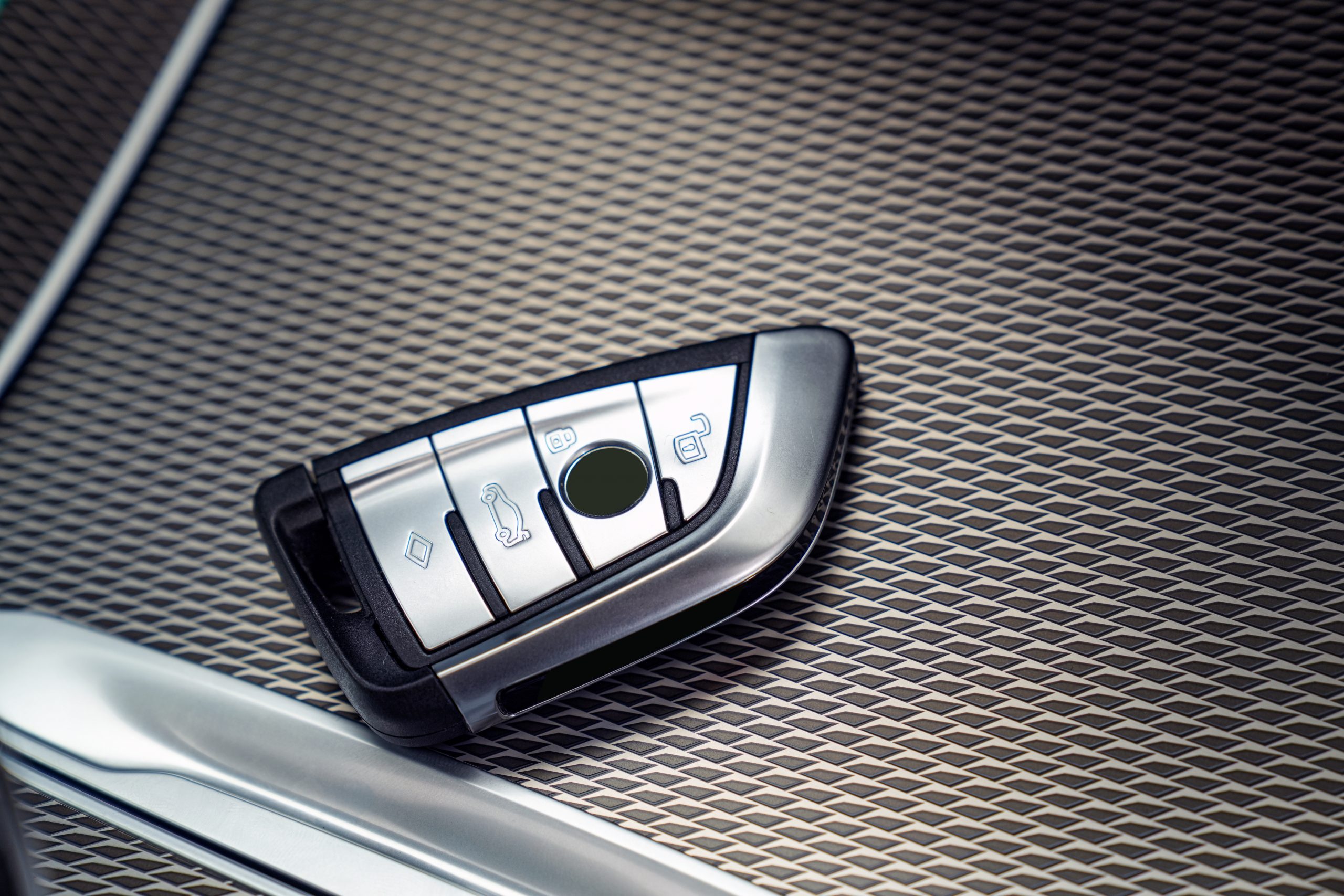
Modern vehicles often rely on digital key fobs or proximity sensors. These devices add convenience but also complexity when it comes to spare storage. Unlike traditional keys, electronic fobs contain chips that communicate with your vehicle’s system, making replacements more expensive and harder to program.
If your car uses a smart key, store it in a signal-blocking pouch or metal container to prevent electronic theft. These pouches, known as Faraday bags, block radio signals that thieves use to clone fob data. Keep your spare fob in such a bag inside a safe or secure drawer.
It is also wise to test your spare fob every few months to make sure the battery still works. A dead battery defeats the purpose of having a backup.
Using Locksmith Services To Create Or Replace A Spare Key
Sometimes you only realize you need a spare after the original key is already lost or damaged. In that case, a professional can help you replace or duplicate your car key quickly. A local automotive locksmith in Ottawa can cut or program a new key on the spot for most car brands, saving you a trip to the dealership.
Professional locksmiths also advise on safe key storage solutions tailored to your situation. For instance, if you share a car, they can set up separate access codes or provide a second key programmed with limited access, depending on the vehicle’s system.
Portable Storage Options For Drivers On The Move
If you travel frequently, you may want a storage option that moves with you but remains secure. Small lockboxes with combination codes can be attached to a car’s tow hook or hitch. These boxes are weatherproof and allow you to access your spare only when needed.
However, treat them as temporary storage. Constant exposure to weather and road grime can wear them out. Always check the seal and locking mechanism to ensure they still work.
An alternative is to carry the spare key in your wallet or bag, especially if it is a flat key without a bulky fob. But if you do, remember to store the bag in a safe place at all times. If it gets stolen, your car could also be at risk.
How To Label And Track Spare Keys Safely
It is common to label spare keys to identify which vehicle they belong to, but doing so openly can compromise security. Avoid writing your full name, address, or license plate number on the label. Instead, use a simple code or color marking that only you understand.
For example, you can use colored key caps to differentiate between cars. Write down the meaning of each color in a private note stored in your phone or wallet. Some people also use GPS trackers on keychains, though this works best for keys you actively use rather than long-term storage.
Keeping Your Spare Key Functional Over Time
A spare key that sits unused for years might not work properly when you finally need it. Exposure to humidity, corrosion, or dead batteries can render it useless. Check your spare key at least twice a year. Try unlocking your car manually and starting it if applicable. Replace the battery in your fob every one to two years, even if it seems fine.
If you notice any corrosion or stiffness in the metal part of a traditional key, clean it gently with rubbing alcohol and a soft cloth. Keeping it in a sealed plastic bag or dry pouch prevents further damage.
When Your Spare Key Gets Damaged Or Stuck
Even a well-stored key can become damaged over time or break inside the ignition or lock. In that situation, do not force it out. That can damage the lock mechanism. A professional can handle such cases using proper extraction tools and restore the lock’s function. If that happens, services such as broken key extraction Ottawa can remove the fragment and repair the lock without harming your vehicle.
Regular inspection of both your primary and spare keys helps you avoid this kind of issue altogether. Keys wear out naturally from daily use, and small cracks or bends can go unnoticed until they snap under pressure.
Emergency Plans For Lockouts
No matter how careful you are, emergencies can still happen. A complete plan helps you respond quickly and calmly. Keep the phone number of a reliable locksmith saved in your contacts. Know where your spare key is and who has access to it.
If you ever find yourself locked out with no immediate access to a spare, do not attempt to break into your own car. It can cause damage to the doors, windows, or locking mechanism. Calling a professional for emergency car lockout Ottawa service is always the safer choice.
Planning ahead and keeping a well-stored spare key is part of responsible car ownership. It is a small effort that saves time, stress, and unnecessary costs when things go wrong.
If you need advice about creating or storing an extra key safely, you can contact us for professional guidance and quick service in any urgent situation.
Frequently Asked Questions
Where should I avoid keeping a spare car key?
Avoid leaving it inside the car or in predictable spots like under a doormat or inside the mailbox. These are the first places thieves check.
How often should I check my spare key?
Check it twice a year. Test its functionality and replace any electronic fob batteries regularly to make sure it still works when you need it.
Is it safe to give my spare key to someone else?
Yes, as long as you trust the person completely and they understand it is for emergencies only. Always keep track of who has it.
Can a locksmith make a spare without the original key?
Yes. A qualified locksmith can create a replacement even if you have lost the original, using your car’s VIN or lock code to produce a working copy.
Do electronic fobs lose programming if unused?
No, but the battery can drain over time. Store it in a dry place and change the battery every year or two to keep it active.