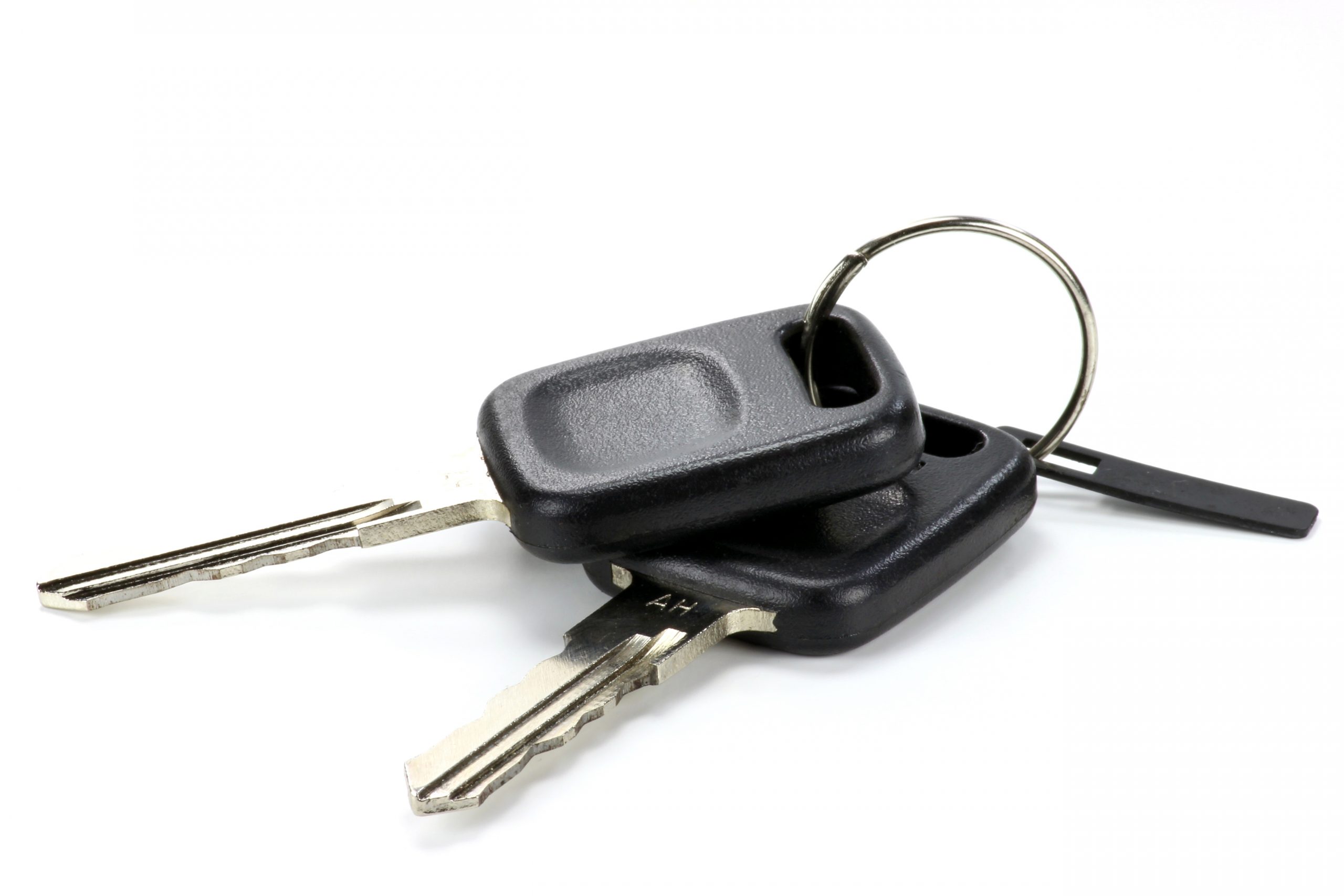
If you’ve ever wondered why a brand-new key cut at a hardware store won’t start your car, you’re not alone. Transponder key programming is the answer — and it’s the critical step that separates a key that opens your door from one that actually starts your engine. Your Key Maker helps drivers understand this process every day, because without it, even a perfectly cut key is just a piece of metal. Modern vehicles rely on encrypted communication between the key and the car’s computer, and that communication must be established before your engine will ever turn over.
What Is Transponder Key Programming?
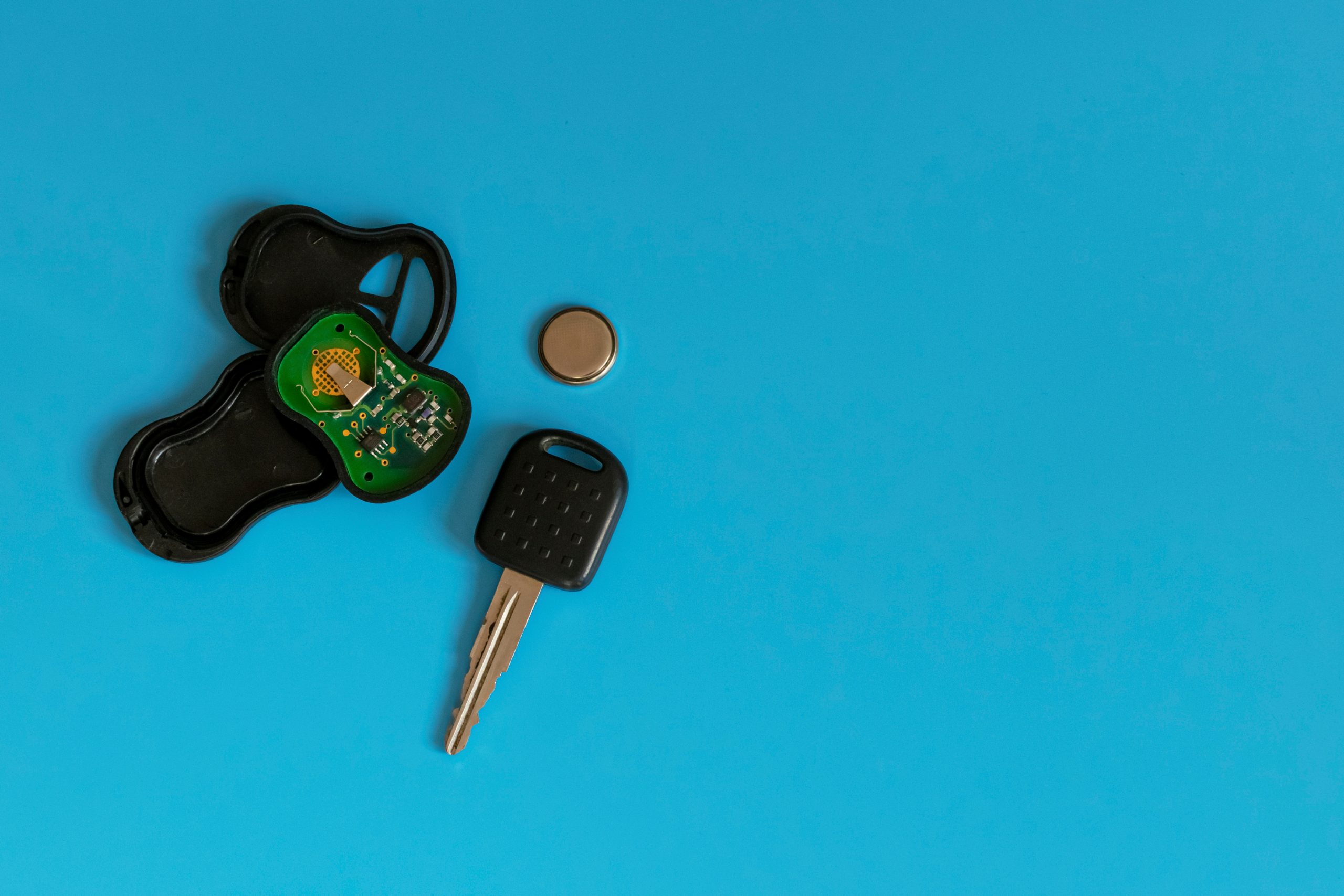
A transponder key contains a tiny microchip embedded in its plastic head. When you insert the key and turn the ignition, your car’s engine control unit (ECU) sends out a radio frequency signal. That chip receives the signal and responds with a unique encrypted code. If the code matches what the ECU expects, the engine starts. A mismatch means the car stays silent — no matter how perfectly the blade fits the lock.
This system became standard in most vehicles from the mid-1990s onward. Manufacturers introduced it as an anti-theft measure, and it works remarkably well. Hot-wiring a transponder-equipped car is nearly impossible without the correctly programmed chip. That’s great for security, but it also means key replacement is more complex than it used to be.
Why a Cut Key Alone Won’t Start Your Car
Many drivers are surprised to learn that cutting a new key is only half the job. A locksmith or dealer must also program the transponder chip to match your specific vehicle. Without transponder key programming, the ECU won’t recognize the key, and it will immobilize the engine as a security response.
This is why going to a hardware store for a spare key often leads to frustration. Those locations can copy the physical blade, but they typically can’t program the chip. You end up with a key that unlocks your door but leaves you stranded at the ignition.
The Programming Process Explained
Professional locksmiths use specialized diagnostic equipment to communicate with your vehicle’s onboard computer. The process generally follows these steps:
The technician connects programming software to your car’s OBD-II port. From there, the software reads existing key data stored in the ECU. A compatible blank key with the correct chip type is then introduced to the system. Next, the ECU writes the authorization code onto the new chip. Once that transfer completes, the vehicle recognizes the new key as authorized.
The entire process usually takes between 20 and 60 minutes depending on the make, model, and year of your vehicle. Some newer vehicles with advanced security systems take longer, but a trained technician handles the complexity without issue.
What Happens When You Lose All Your Keys
Losing every key to your vehicle creates an even bigger challenge. When no working key exists, the technician cannot simply copy existing data. Instead, they must perform what’s called an “all keys lost” procedure — erasing the existing key data from the ECU and programming entirely new keys from scratch.
This procedure demands advanced tools and deeper access to your vehicle’s security modules. More time is required, and the cost reflects that added complexity. However, a skilled locksmith completes it on-site, meaning you don’t need to tow your car to a dealership. If you need car key replacement after losing all your keys, calling a mobile locksmith is often the fastest and most affordable route.
Key Fobs and Push-Button Ignitions
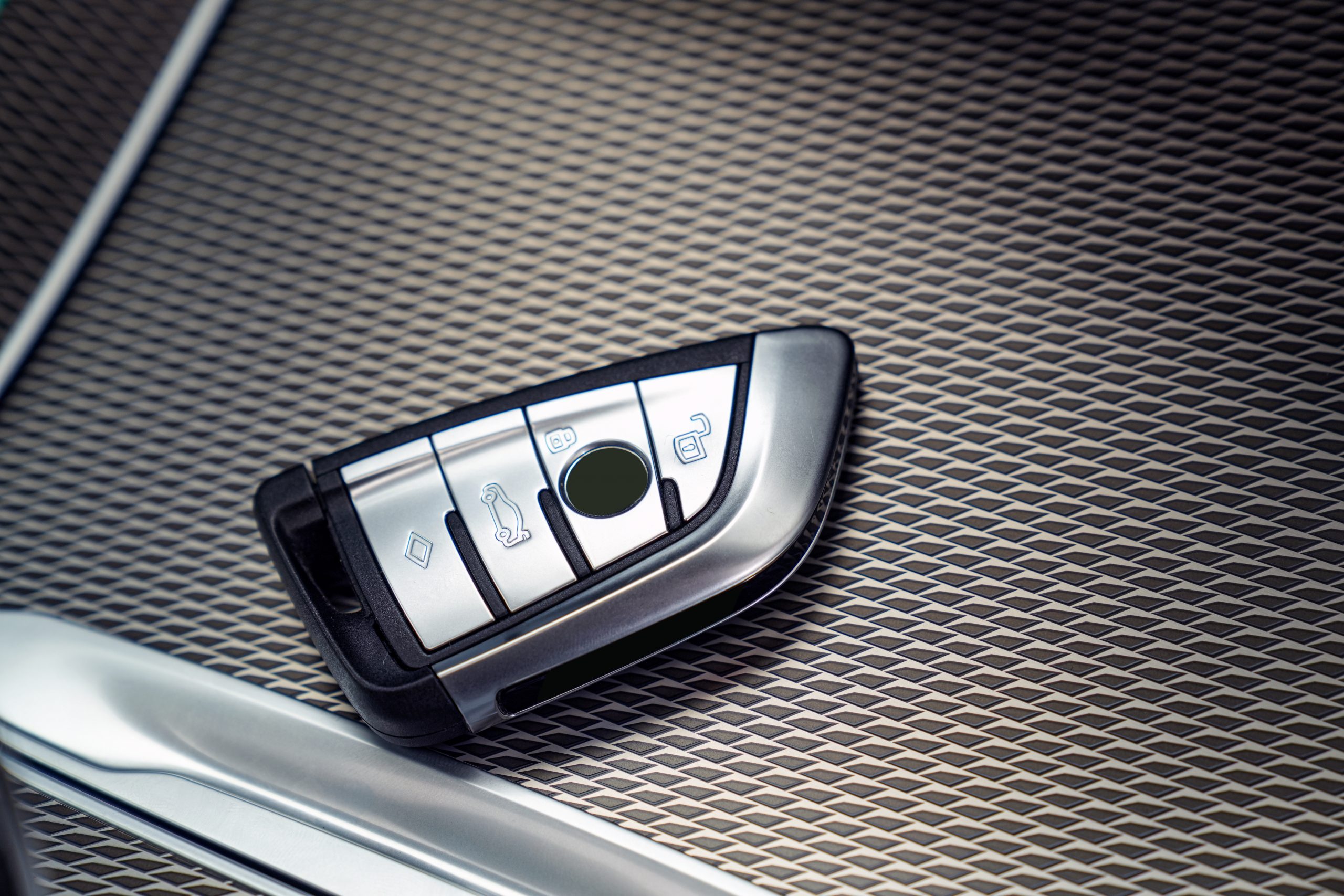
Modern key fobs and smart keys work on similar principles but add another layer of wireless communication. A push-to-start vehicle uses a proximity sensor that detects your fob before you even touch the ignition button. Every authorized fob carries a programmed rolling code that changes with each use, making duplication nearly impossible without professional equipment.
Car key duplication for smart keys and fobs involves programming the new device to sync with your car’s security system. This goes well beyond cutting a blade. The technician programs both the physical key and the wireless communication protocol at the same time.
Common Reasons You Might Need Transponder Key Programming
Drivers need this service more often than you might expect. Here are the most frequent situations:
You lost one or all of your keys. An existing key’s chip has stopped working due to damage or age. You bought a used vehicle and want to remove access from previous keys. A spare key with full functionality — not just door access — is something many owners overlook until it’s too late. You replaced your car’s ECU and the existing keys no longer match the new module.
Each situation requires a slightly different approach, but all of them require professional programming equipment that most people don’t have at home.
The Risk of Skipping Professional Programming
Some drivers try to save money by purchasing cheap key blanks online and attempting to program them with consumer-grade tools. This rarely ends well. Incorrect programming can corrupt your ECU’s key data, leaving you with no working keys at all. Triggering your car’s anti-theft lockout is another real risk — one that requires a dealer-level reset to resolve.
Professional locksmiths carry the correct tools and software licenses for a wide range of vehicles. They know which chips are compatible with which systems and how to avoid triggering security lockouts. Saving a few dollars upfront can quickly turn into an expensive repair bill when things go wrong.
When You Need Help Fast
Sometimes key problems strike at the worst possible moment. You’re locked out, late for work, or stranded somewhere unfamiliar. Waiting days for a dealership appointment simply isn’t an option in those situations. Emergency car lockout services exist precisely for these moments — a mobile locksmith arrives at your location, cuts and programs your key on the spot, and gets you back on the road quickly.
Your Key Maker provides this kind of rapid, professional response. Speed matters in an emergency, but accuracy matters just as much. A rushed job that leaves your transponder incorrectly programmed is no help at all, and experienced technicians handle the process efficiently without cutting corners.
Choosing the Right Locksmith for Key Programming
Not every locksmith offers full transponder programming services. When choosing who to call, look for a provider with specific automotive experience, programming equipment compatible with your vehicle’s make and model, and verifiable reviews from local customers.
Ask whether they carry blank keys compatible with your vehicle before they arrive. A locksmith who shows up without the right blank wastes your time. Reputable services — like those offered through automotive locksmith Ottawa — keep a wide inventory of blanks and confirm compatibility before dispatch.
Your Key Maker works with a broad range of domestic and import vehicles, covering both older transponder systems and the latest smart key technologies. Knowing who to call before an emergency happens saves you considerable stress when the moment arrives.
The Bottom Line
Transponder key programming is not optional — it’s the step that makes your key work. Cutting the blade gets you through the door. Programming the chip gets the engine running. Both steps matter, and both require the right equipment and expertise. Whether you need a spare key, lost all your keys, or are upgrading to a new fob, professional programming is the only path to a fully functional result. Your Key Maker delivers that result reliably, on-site, and without the dealership wait time.
Frequently Asked Questions
1. What is a transponder key and how does it differ from a regular key? A transponder key contains a microchip that communicates with your car’s computer. A regular key only operates mechanical locks. Without the chip signal, the car’s immobilizer blocks the engine from starting, even if the blade fits perfectly.
2. Can I program a transponder key myself? It’s technically possible with the right software and a compatible blank, but consumer tools often lack the vehicle coverage that professionals carry. Mistakes during programming can corrupt your ECU’s key database, creating a much more expensive problem than the original one.
3. How long does transponder key programming take? Most standard programming jobs take between 20 and 60 minutes. All-keys-lost situations take longer because the technician must clear the ECU and start fresh. Your vehicle’s make, model, and security system complexity all affect the timeline.
4. Does transponder key programming work for all car brands? Most vehicles manufactured after 1995 use some form of transponder or immobilizer technology. Coverage varies by locksmith. Always confirm that your provider supports your specific vehicle before scheduling or requesting emergency service.
5. Is it cheaper to go to a dealer or a locksmith for key programming? Locksmiths are typically faster and more affordable than dealerships for transponder key programming. Dealers often require appointments and charge higher labor rates. Mobile locksmiths come to your location, reducing towing costs and wait times significantly.