Stay Calm and Assess the Situation
The first step is not to panic. We know it feels frustrating, especially if the engine is on and the keys are visible through the window. Still, taking a breath helps us think clearly. Depending on where the car is parked, we might have some time to handle it safely. For instance, if it’s in your driveway, we don’t face immediate risk. However, in a public place or gas station, the situation can become more urgent.
Next, check for alternate entry points. Some drivers forget they left a back door or trunk unlocked. Even if the doors are locked, we should test each one. Certain models have small delays or sensor issues that might unlock again if triggered correctly. That’s rare, but it’s worth a try before calling anyone. If the car is in gear or moving, then we must treat it as an emergency and take action immediately to protect others.
Understand Why Cars Auto-Lock Themselves
Modern vehicles come with automatic locking systems that activate after a few seconds of inactivity. This feature is intended for safety. However, it occasionally misfires. If the key fob is left inside or a sensor fails to detect it, the car may lock even while running. We’ve seen this happen in extreme cold as well. Some electronic locks react oddly when temperatures drop below freezing, confusing the computer system.
Other causes include low battery levels in the key fob or accidental button presses. Kids playing with remotes or bags pressing against the lock button can cause it too. We should also consider whether our vehicle has been recently reprogrammed or repaired. Sometimes, lock behavior changes after updates. If this happens often, it may be time to review the key system settings or replace a faulty remote.
Our team has helped many drivers who were unaware that these features even existed. Knowing how the system works can prevent the same problem from repeating.
Try Safe Entry Methods Before Calling for Help
Before reaching for the phone, let’s try a few non-destructive methods. One option is using a spare key if it’s nearby. That sounds obvious, but many people forget they gave an extra to a family member. If someone you trust is close, a quick call might save time and cost.
Another method is using smart entry features. If your car has an app, check if it allows remote unlocking. This only works if you’ve set it up earlier, of course. If you’ve left a window cracked open and can see the lock pin, tools like a rod or wire might work. However, we don’t suggest forcing anything unless you’ve done it before. Damage to the door seal, lock pin, or interior trim happens quickly with improvised tools.
In winter, a locked running car also means heat inside. That can help keep any children or pets comfortable if they’re stuck. Still, this makes time-sensitive response more critical.
For urgent issues like this, an emergency car lockout in Ottawa is often the safest option. Professionals reach the location fast and use proper tools to open the vehicle without damage.
Know When to Call an Automotive Locksmith
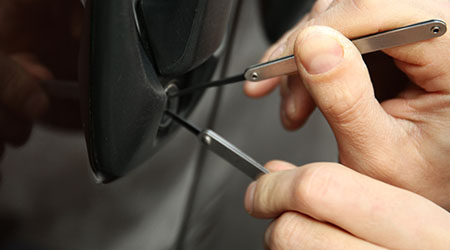
If there’s no safe way in and no spare key nearby, then it’s time to involve an expert. Lockouts with the engine running require fast service. In most cases, an automotive locksmith in Ottawa can reach us quicker than roadside assistance. They carry special air wedges, rods, and slim tools designed to slip between doors without harm.
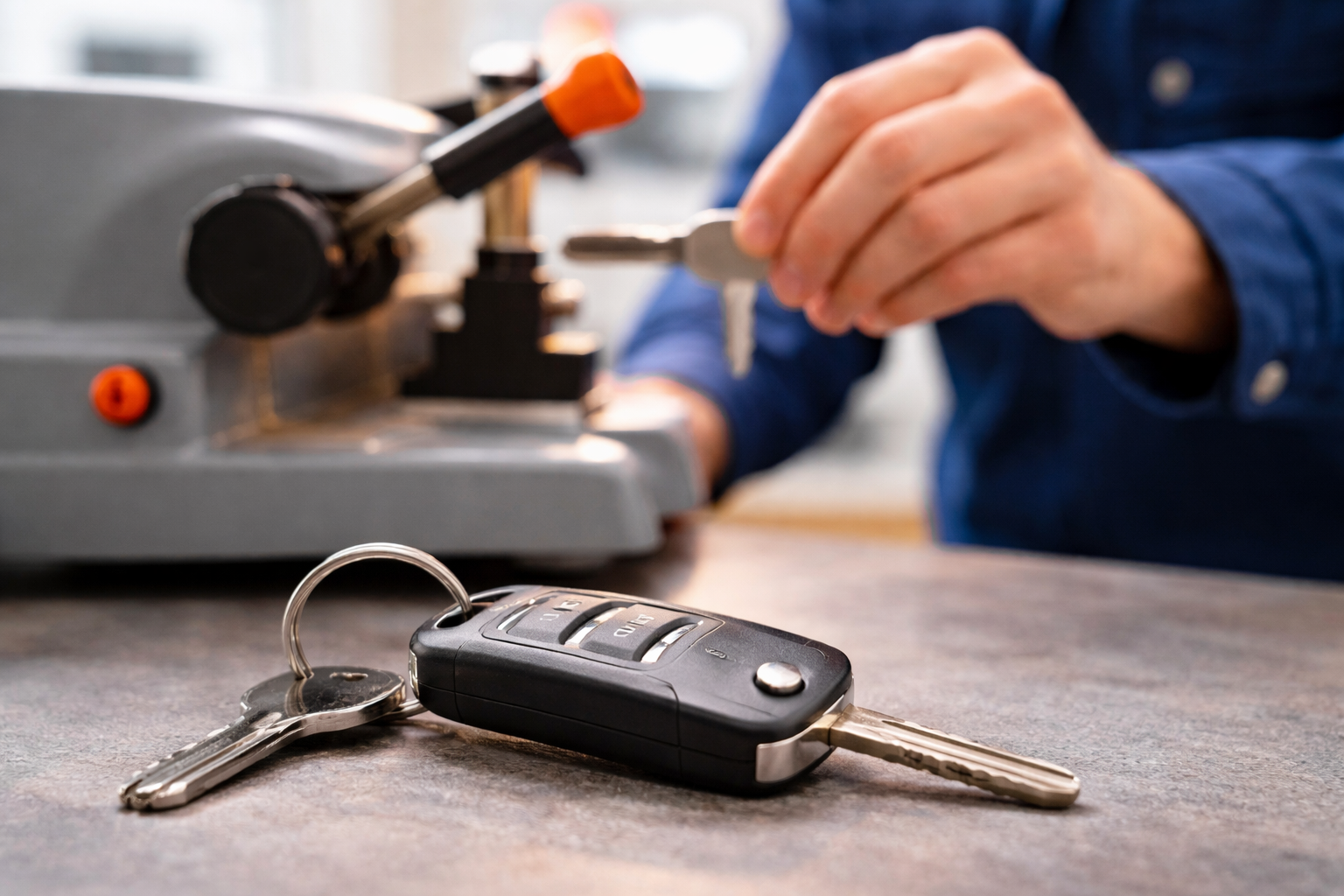
Besides opening the door, locksmiths can check if the key fob is working properly. They often diagnose why the issue happened in the first place. For example, if the locks triggered themselves while the key was inside, there might be a sensor error or signal disruption. Some even reprogram remotes or replace damaged fobs during the visit. That saves us an extra trip to the dealership.
It’s also worth noting that locksmiths are available outside normal hours. Late-night lockouts or early morning mishaps don’t need to ruin the day. We just need to explain the vehicle make, model, and situation so they arrive prepared.
Protect Your Vehicle While You Wait
If the car is running in public, we should not leave it entirely unattended. Even if locked, running vehicles attract attention. While we wait for help, keeping an eye on it from a safe distance is important. If possible, we can move to a nearby building, lobby, or bench with a view of the car.
Let’s avoid standing too close to traffic or drawing attention by pacing around. Waiting calmly also avoids explaining the situation to every passerby. If people ask, a simple “lockout, help is on the way” works. In busier locations like parking garages, we might alert staff or security. They sometimes allow waiting in warmer areas or help keep the space clear.
If a child or pet is locked inside, then our urgency increases. This becomes a safety issue, not just a lockout. In such cases, emergency services may also be called to assist faster if risk is high.
Prevent Future Lockouts with Better Habits
While we can’t control every system glitch, we can build habits to lower the chance of this happening again. One simple step is carrying a spare key in your wallet or bag. Many locksmiths can create flat emergency keys that don’t start the car but can unlock the door.
Another habit is leaving the driver door slightly ajar when stepping out briefly, especially in cold months when the engine stays on for warming. Just an inch of opening disables the auto-lock function.
Using a key tray at home or a routine pocket check before leaving the vehicle also helps. We’ve found that most lockouts happen during rushed errands or quick fuel stops. That’s when focus slips. In those moments, building small safety habits pays off.
Vehicles with mobile app unlock features should be updated and tested often. These systems fail if the app is outdated or if the phone isn’t nearby.
Set Up Ongoing Support if It Happens Often
If this situation keeps repeating, we should consider adjusting our key fob system. Some locksmiths can reprogram fobs to remove auto-lock functions or delay activation. For vehicles with factory settings that can’t be changed, installing a backup entry tool might help.
In some cases, the key sensor range can be extended or repositioned. That way, the system won’t lock if it still detects the fob inside the car. Remote starters are another factor. If your car locks after remote start, checking how that feature interacts with the central lock system can explain many surprises.
We’ve helped clients who didn’t even know their cars were locking themselves until the third or fourth time. Patterns like this usually mean a setting is off, not user error. A short service call with the right technician can fix the whole problem in one visit.
For support, it’s best to contact a locksmith in Ottawa directly. A quick chat helps confirm what service fits the situation and how soon someone can help.
FAQs
What should I do first if my car locks with the engine running?
Check if any door or trunk is still unlocked. Try using your app or spare key before calling a locksmith.
Can modern cars lock themselves even if the key is inside?
Yes, it happens due to sensor issues, low fob battery, or incorrect settings in some newer models.
Will emergency services unlock my running car for free?
Sometimes, but only if a child, pet, or medical emergency is involved. Otherwise, a locksmith is faster and safer.
Can a locksmith unlock my car without damaging anything?
Yes, professionals use tools made to safely open doors without harming the lock or frame.
Is there a way to stop my car from locking automatically?
In some models, auto-lock can be disabled through system settings or by reprogramming the fob. A locksmith can assist.