Sometimes a car key looks fine until it doesn’t work. A small crack, chip, or bend can cause it to fail at the worst moment. We often assume a quick repair can fix it, but in many cases, that’s not the right solution. Car key damage can grow quickly and lead to more serious issues, especially with modern fobs or transponder keys. In this post, we’ll help you understand when a key should be replaced, what signs to look for, and what options make the most sense depending on the situation. Our team at Your Key Maker has handled enough of these to know that prevention often saves more than repair ever could.
Minor Damage Can Hide Bigger Problems
Small imperfections can be hard to notice. A worn edge or light twist might still allow the key to turn, but it puts stress on both the key and the ignition. Over time, that stress causes the metal to crack or snap. As a result, repair is only safe when the damage is minor and hasn’t changed the shape or balance of the key. Once the core structure is weak, any attempt to repair it becomes risky.
One thing we’ve seen often is people trying to straighten a slightly bent key. That might work once or twice, but the bend weakens the metal. Eventually, it breaks off inside the lock or ignition, which costs more to fix. Our advice is simple—if the key looks like it’s been reshaped or filed down, it’s safer to replace it. In those cases, your best option is to reach out to an automotive locksmith in Ottawa who can inspect it properly.
Signs a Repair Won’t Hold
Repairs make sense only when they extend the life of the key without adding risk. But some signs tell us that fixing a key won’t help for long. A few clear examples include:
- Deep cracks that run through the blade
- Key fobs that need tape to stay together
- Remote buttons that no longer click
- Key teeth worn smooth or uneven
Any of these signs mean the key is past its safe point. For traditional metal keys, deep cracks can break under torque. With fobs or smart keys, weak circuits often fail completely after being dropped or exposed to water. In these cases, we don’t recommend repair at all.
If your key starts behaving oddly, such as needing to be jiggled in the lock or only working from certain angles, that usually means internal wear has gone too far. At that point, car key replacement in Ottawa is the most reliable solution.
When Replacing the Key Prevents Bigger Costs
We often explain to customers that a new key can save the cost of ignition repair later. If a damaged key keeps grinding inside the cylinder, it may misalign the pins or damage the reader chip. Then, the lock won’t turn even with a new key, because the internal parts are already worn out. Replacing the key before that point avoids more expensive repairs.
We also look at risk. If someone drives long distances, a cracked key that suddenly stops working can leave them stranded. In winter, being locked out of the car or unable to start it is more than just an inconvenience. A proactive key replacement is safer, even if the damage seems minor now.
In short, waiting until it fails usually leads to higher costs. That’s why many vehicle owners choose replacement as soon as there’s visible damage, especially if they use only one key.
Situations Where a Duplicate Won’t Help
Many people assume a duplicate will solve the issue. But copying a bad key just repeats the problem. If the original is bent, filed, or worn out, the duplicate takes on the same flaws. Even worse, if the transponder chip is damaged or out of alignment, the copy won’t work at all.
Modern vehicles often need chip programming. If the key is failing due to electronic issues, such as weak signals or delayed responses, making a duplicate won’t fix anything. In those cases, we need to program a completely new key to match the car’s system properly.
This is especially true for keyless ignition systems. A failing key fob that randomly disconnects or requires multiple presses isn’t reliable. Once the internal components begin to fail, they’re not repairable. The only safe option is full replacement and reprogramming by an experienced automotive locksmith in Ottawa.
Remote Key Issues Often Mean Replacement
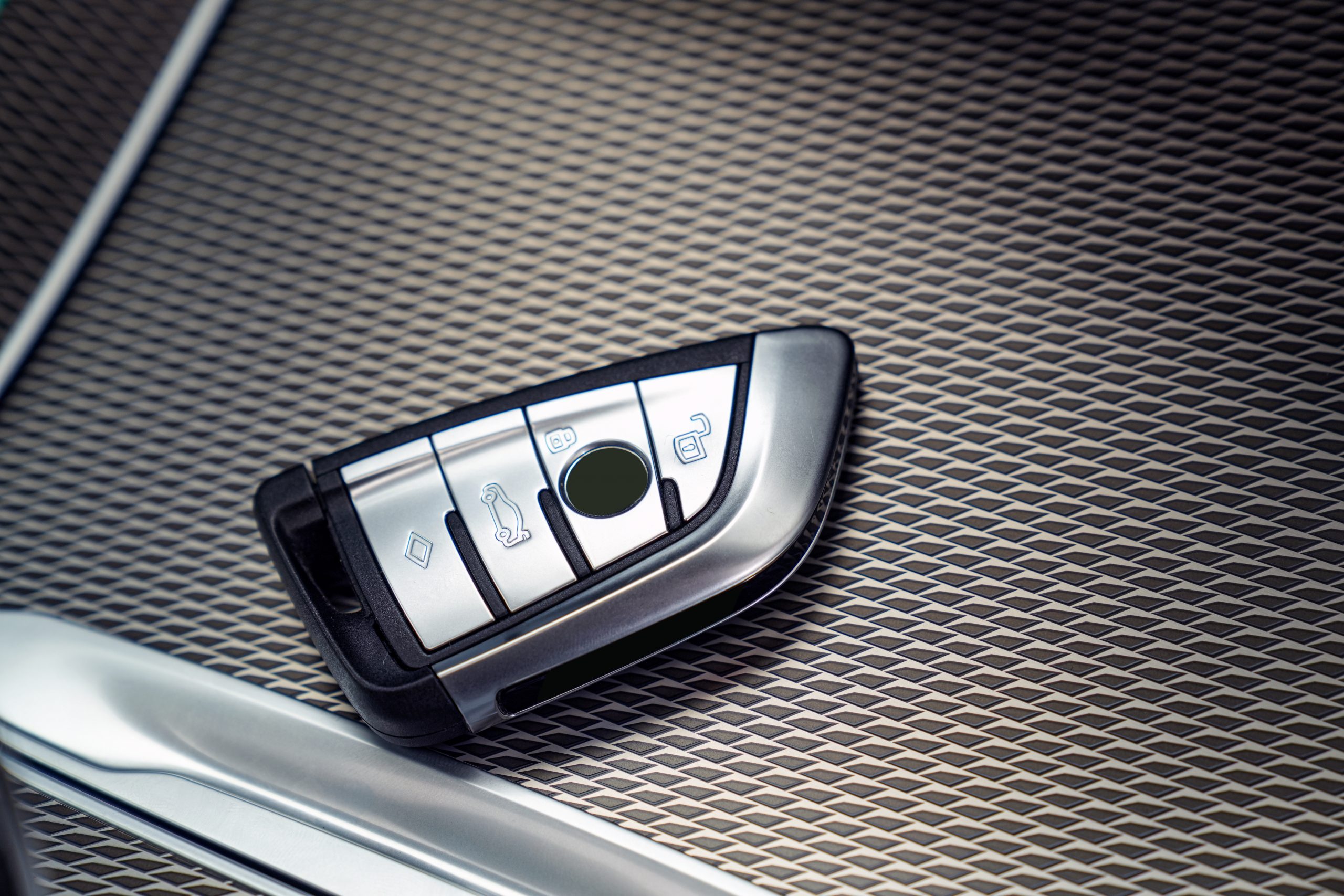
Remote key fobs bring added convenience, but they also come with more parts that can go wrong. A broken button, unresponsive lock command, or dropped signal are all signs the internal circuit board has started to fail. Sometimes the battery compartment loosens, making it hard to keep power stable. Other times, water exposure corrodes the electronics.
In most of those cases, opening the key or replacing a battery only works for a short while. If you notice the fob heating up, making a clicking sound, or draining batteries quickly, then replacement is the only safe move. These issues don’t stay small, and continuing to use a faulty fob might lock you out completely.
Even when the fob looks fine on the outside, small internal cracks often cause the biggest trouble. The smarter the key, the more fragile it can be once damage begins. We usually recommend a clean reset with a fresh key to avoid future problems.
How Wear and Age Lead to Failure
Keys don’t last forever, even with careful use. Over time, metal becomes thinner from regular friction inside the lock. Remote key fobs lose sensitivity as the buttons wear out or the contacts corrode. And transponder keys eventually lose signal strength as the chip degrades.
We’ve worked with drivers whose keys worked for years, then failed suddenly one cold morning. Age alone doesn’t always show signs, which is why we ask how old the key is, not just how it looks. After five to seven years, many keys start to fail without warning.
For drivers with older vehicles, getting ahead of that failure can prevent emergencies. Even if the key still works, if it’s the only one available and has visible wear, we suggest a backup or a full replacement. That’s safer and avoids stress down the line.
Helpful Tip: Don’t Wait for the Key to Fail Completely
There’s one mistake we see often. People wait until the key breaks before doing anything. Once it snaps, falls apart, or stops sending signals, you’re out of options. It takes more time and money to fix things after the fact.
Instead, plan ahead. If the key doesn’t feel right in your hand or takes effort to turn, that’s the warning. If the buttons feel soft or don’t register every time, they’re failing. Replacing early gives you control over the situation. Letting it fail removes your options.
If you’re unsure what to do next, we always recommend starting with a quick inspection. You can talk to an automotive locksmith in Ottawa and ask if your key is repairable or needs full replacement. That check costs far less than dealing with a locked car later.
FAQs
What if my key still works but looks damaged?
Even if it works, visible damage can mean the metal or electronics are weakening. It’s smart to replace it before it fails completely.
Can a broken key be glued back together?
No, glue won’t hold under pressure. Keys must remain solid to handle the force of turning the ignition or lock. Repaired keys often break again.
How do I know if my remote key has a chip inside?
Most car keys from the last 20 years have chips. If your key starts the car without a visible metal blade or has buttons, it likely contains a chip.
Why doesn’t my spare key work even though it’s new?
If the original was damaged or faulty, any duplicate will copy that issue. A proper key must match both the mechanical cut and the chip programming.
What should I bring when replacing a key?
You should have your vehicle registration and a photo ID. Most locksmiths also ask for the car’s make, model, and year to create a match.