Modern vehicles come packed with automatic features designed to make life easier. One of the most common is the auto-lock function. At first, it sounds helpful, doors locking themselves for safety. But when we accidentally leave keys inside, that same feature becomes a major hassle. As an automotive locksmith in Ottawa, we see how often this issue happens, especially during cold mornings or quick errands. In this post, we’ll explain why cars auto-lock, how it works across different systems, and more importantly, what steps we can take to avoid getting locked out.
How Auto-Locking Systems Work in Most Cars
Auto-locking is a built-in security system found in most modern vehicles. It activates when certain conditions are met. For instance, if we unlock the car with a remote but don’t open any doors within 30 seconds, the system automatically re-locks everything. That prevents the car from being left open if we accidentally bump the remote.
Another common scenario is after starting the car. Some models lock the doors once we shift from park to drive or reach a certain speed. It’s meant to protect us while driving. While this automation adds convenience, it’s also the reason why many call an automotive locksmith in Ottawa when keys are accidentally left inside.
Auto-locking may also engage if we close the door without the key in our pocket, especially in cars with proximity sensors. So even if the fob is sitting on the seat, the doors may lock once they detect no one is nearby.
When Auto-Lock Becomes a Problem
The downside to this smart feature appears when we least expect it. We might be loading groceries, talking to someone at the curb, or stepping away for just a minute. The door closes, we hear a click, and then realize the keys are inside.
In some cases, weather plays a part too. On cold mornings, we warm up the car, step out to scrape frost, and find ourselves locked out. This happens often enough that emergency calls for car lockouts increase during winter.
What adds to the issue is how inconsistent locking behavior is across different makes. Some cars lock automatically when we walk away. Others only lock when all doors are shut. This lack of standardization causes confusion, even for experienced drivers. And when it happens, we often need emergency car lockout assistance in Ottawa right away.
Keyless Entry and Proximity Fobs: A Hidden Risk
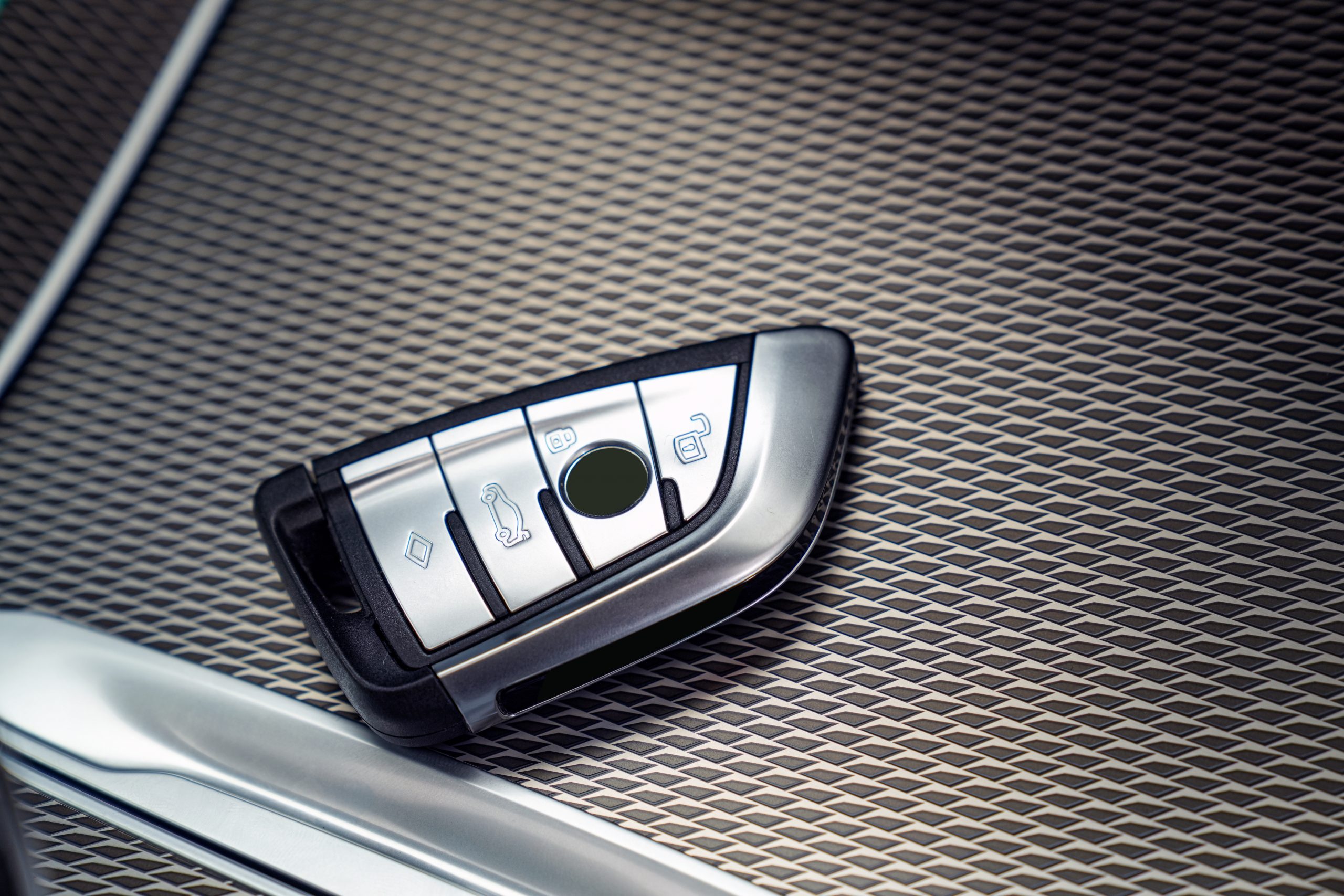
Keyless entry is now standard in many vehicles. We carry the fob in a bag or pocket and unlock the car just by being near it. That makes things simpler, but it also introduces new lockout risks.
These systems rely on sensors that detect distance. If the fob gets tossed in the trunk or glove box and the system doesn’t detect it properly, the doors may lock anyway. We’ve also seen issues where metal objects or signal interference confuse the car’s sensors, locking the doors when they shouldn’t.
Even something as simple as setting down the fob while loading the back seat can cause a problem. The car assumes we’ve left and secures the doors to prevent theft. This type of lockout is more frustrating because the system doesn’t alert us clearly.
That’s why many who experience this once start keeping backup keys. However, relying on memory isn’t foolproof. We still get calls from drivers who swear they had the fob in their coat but left the coat in the trunk.
Simple Habits to Prevent Auto-Lockouts
Avoiding lockouts starts with a few easy habits. First, we always recommend carrying a spare key in a safe but accessible spot. A small magnetic box under the vehicle frame or inside a wallet can be a good backup, as long as it’s secure.
Second, never set keys or fobs inside the car while it’s running or unlocked. That includes the trunk. It’s tempting during quick tasks, but that’s when most lockouts happen.
Next, listen for the auto-lock sound. Once we know how our vehicle behaves, we can spot when it’s about to relock itself. If we unlock it and wait too long, just open and close a door to reset the system.
Finally, we can talk to a trusted automotive locksmith in Ottawa about disabling auto-lock in older models. In some cases, it’s possible to reprogram or adjust settings through the car’s menu or control module.
Here’s a quick list of prevention tips:
- Carry a backup key on your person, not in the car
- Never put keys or fobs in the trunk while loading
- Keep the car’s user manual nearby to understand lock settings
- Avoid leaving your car running unattended, even briefly
- Learn your car’s lock sounds and response behavior
Car Software Glitches That Trigger Auto-Locks
Sometimes, auto-locks engage because of software issues. Vehicle electronics are complex, and problems can occur during updates or from internal wiring faults. When this happens, the locking system may behave unpredictably. We’ve seen vehicles lock themselves repeatedly, even with the fob inside.
A weak car battery can also interfere with smart locks. If power fluctuates while unlocking, the system might relock out of sync. This creates confusion because the action looks intentional when it’s actually a power fault.
Moisture or corrosion in door sensors can send false signals, tricking the car into thinking all doors are shut when they’re not. As a result, the auto-lock kicks in too soon.
We recommend addressing any glitchy locking behavior quickly. If the locks make clicking sounds at odd times or respond slowly, it’s worth checking with a professional. It may save us from needing urgent service during an inconvenient time.
What to Do If You’re Locked Out Right Now
If we’re locked out of the vehicle, the first step is to avoid forcing anything. Using coat hangers, wires, or screwdrivers often causes damage to the weather stripping or the locking mechanism itself. That turns a simple fix into a costly repair.
Instead, it’s best to call for immediate help. We can get fast emergency car lockout assistance in Ottawa and avoid unnecessary damage. Most automotive locksmiths use air wedges and tools that slide safely into place without harming the door or frame.
While waiting, it helps to check all doors and the trunk. In some cases, only the driver door locks. Occasionally, trunk access is still possible, especially in older vehicles. Some newer models also allow app-based unlocking if we’ve set it up beforehand.
Timing matters too. If the engine is running, it’s important to act quickly. Not only is fuel being wasted, but carbon monoxide can build up if the vehicle is in a garage or enclosed space.
Can Auto-Lock Be Turned Off?
In some models, yes. Auto-lock settings can be disabled or modified using the vehicle’s onboard computer system. We usually find this option in the settings menu on the dash screen. Some cars allow full customization, like setting delays, speed-based locking, or proximity locking options.
For older cars, a technician may need to access the internal programming through a diagnostic tool. That’s not always possible, but it’s worth asking about. If lockouts have happened more than once, making changes to these settings may be the best prevention.
Some drivers choose to install aftermarket security systems that replace the auto-lock feature entirely. These systems often include audible reminders or smartphone alerts that reduce the chance of mistakes.
If lockout problems persist, we can always reach out through the contact us page for automotive locksmith services in Ottawa and talk about what options might work better.
Frequently Asked Questions
Why does my car lock itself while the keys are inside?
Auto-lock systems respond to proximity and timing. If the sensors don’t detect the key properly or all doors close without activity, the system locks as a safety measure.
Can I disable the auto-lock feature on my vehicle?
In many models, yes. Some allow this through onboard settings, while others may need a technician to reprogram it.
What should I do if my key fob stops working near the car?
First, check the battery in the fob. If that’s not the issue, interference from metal or other signals might be blocking the connection. Try moving a few feet back and returning.
Is it safe to try unlocking my car with a coat hanger or other tools?
No. Those tools often damage the vehicle and make future problems worse. It’s safer to call a locksmith who uses non-damaging methods.
Do all cars have the same auto-lock system?
Not at all. Each manufacturer designs its system differently. Some rely on proximity, others on timers, and a few include app control. Understanding your specific system helps prevent problems.