Your key fob worked perfectly this morning. Now, standing in a parking lot, it does nothing. You press the button three times. Still nothing. Tomorrow it might work again without any change on your end. This inconsistency drives drivers crazy — and it usually points to one of a few specific causes.
The Battery Is the First Thing to Check
A weak battery causes erratic fob behaviour more often than any other issue. However, a dying battery does not always fail completely right away. Instead, it loses enough power to work only in ideal conditions — close range, no interference, moderate temperature on a typical Ottawa summer day.
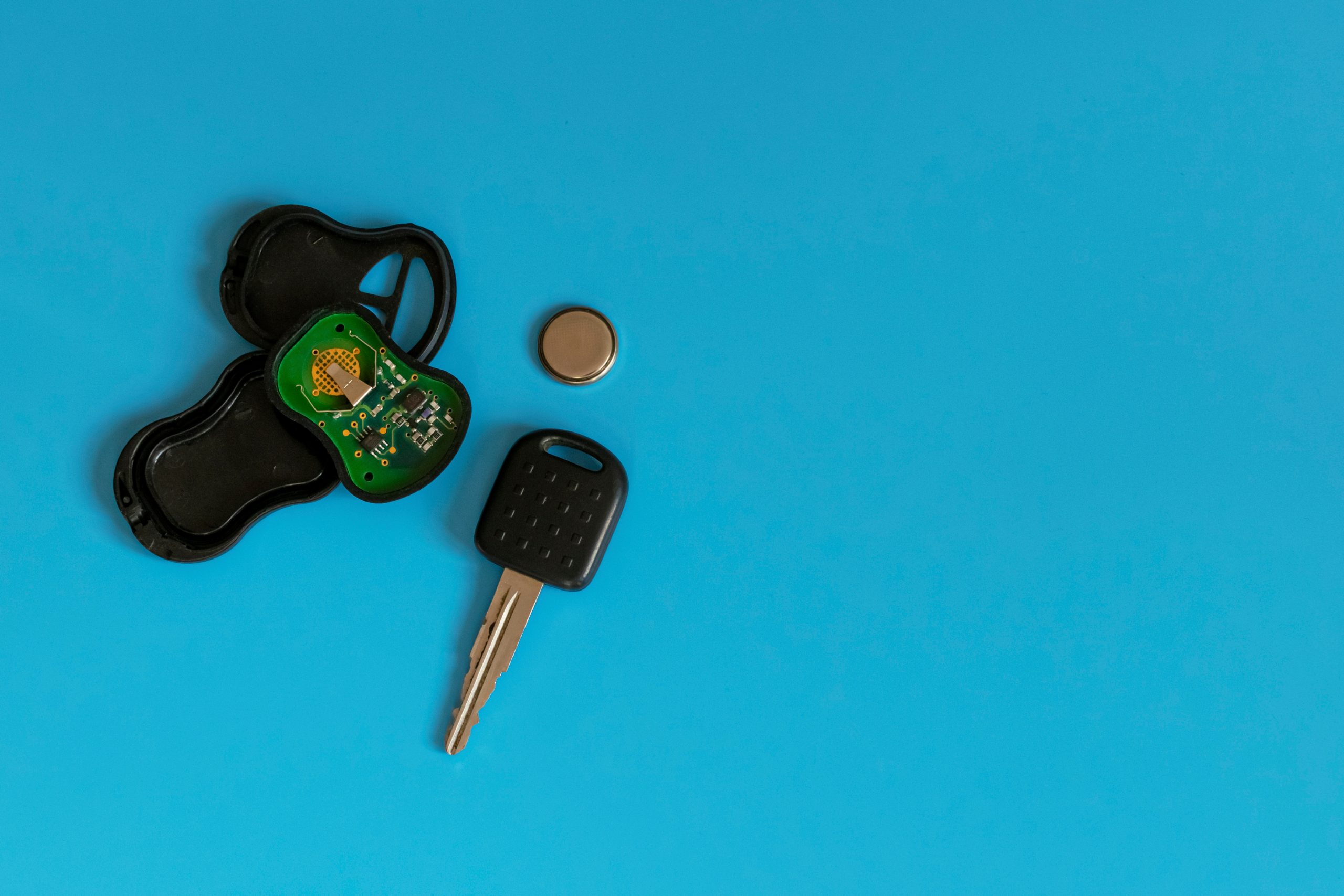
Key fob replacement sometimes starts with something as simple as a fresh battery. Your Key Maker recommends changing the battery first before assuming anything else is broken. Specifically, CR2032 coin cells are the most common type, and they are inexpensive to swap.
Signal Interference Is More Common Than People Think
Radio frequency interference can block a fob’s signal even when the battery is strong. Sources include parking garage structures, shopping centre security systems, and nearby wireless devices. Consequently, the fob may work perfectly outside but fail near certain buildings.
This is why transponder key programming sometimes becomes necessary even when the fob seems physically fine. The internal chip can lose its sync with the vehicle’s receiver system after interference events or a battery replacement done incorrectly. Reprogramming restores the connection reliably.
Physical Damage Inside the Fob
Fobs take a beating. Drops, spills, and pressure from tight pockets all add up over time. Internally, the circuit board can develop micro-cracks that cause intermittent contact. Therefore, the fob works when the cracked components happen to touch — and fails when they do not.
In some cases, the rubber buttons wear out. The conductive pad behind each button loses responsiveness. Additionally, one button tends to wear faster than others, which is why many drivers notice the lock button failing before the unlock button does. Your Key Maker can assess the internal condition and determine whether repair or replacement is the right call.
When to Stop Troubleshooting and Call a Locksmith
If you have replaced the battery and the problem continues, it is time to call. Furthermore, if the fob only works within a few centimetres of the door handle, that is a clear sign the signal is degraded. A technician can diagnose the issue quickly with proper equipment.
Your Key Maker can also get a spare key made at the same appointment. Many drivers with a failing fob also lack a functioning backup key. Solving both problems in one visit makes practical sense.
Do not wait for the fob to fail completely. A fully dead fob can turn a minor inconvenience into a full emergency car lockout. Catching the problem while you still have partial function gives you options instead of urgency.
What a Full Fob Replacement Actually Involves
Replacing a key fob is not just buying a new shell at a hardware store. For most modern vehicles, the new fob requires programming to your car’s specific receiver. Without programming, the fob is a useless plastic rectangle.
Your Key Maker handles the full replacement process — sourcing the correct fob, transferring or cutting the emergency blade, and completing the programming on-site. Therefore, you leave with a fully functional replacement, not a fob that still needs a dealer visit to activate.
Frequently Asked Questions
Q1: Why does my key fob only work when I hold it close to the door? A1: Short range usually means a weak battery or degraded internal signal. Replace the battery first. If the problem continues, the fob may need reprogramming or replacement. Your Key Maker can diagnose the exact cause during a single visit.
Q2: Can a key fob fix itself? A2: Sometimes what looks like a fix is actually just the conditions changing — better range, less interference, or a slightly better battery contact. The underlying problem stays. Intermittent issues consistently get worse over time, so addressing the cause early saves frustration.
Q3: My fob works for the car but the broken key extraction blade is damaged. Do I need a full replacement? A3: Not necessarily. In some cases, the blade can be replaced independently. Your Key Maker assesses the fob condition and recommends the most cost-effective solution for your specific vehicle, whether that means repair, reprogramming, or full replacement.
Q4: How long does key fob programming take? A4: Most fob programming jobs take under 30 minutes once the technician arrives. Your Key Maker carries equipment for a wide range of vehicle makes and models, so the process completes during a single on-site visit with no dealer trip required.
Q5: Could my phone be interfering with my key fob? A5: In rare cases, smartphones can cause minor interference, but this is not a common cause of consistent fob failure. More likely culprits include a weak battery, internal damage, or signal disruption from nearby infrastructure like parking garages or security systems.