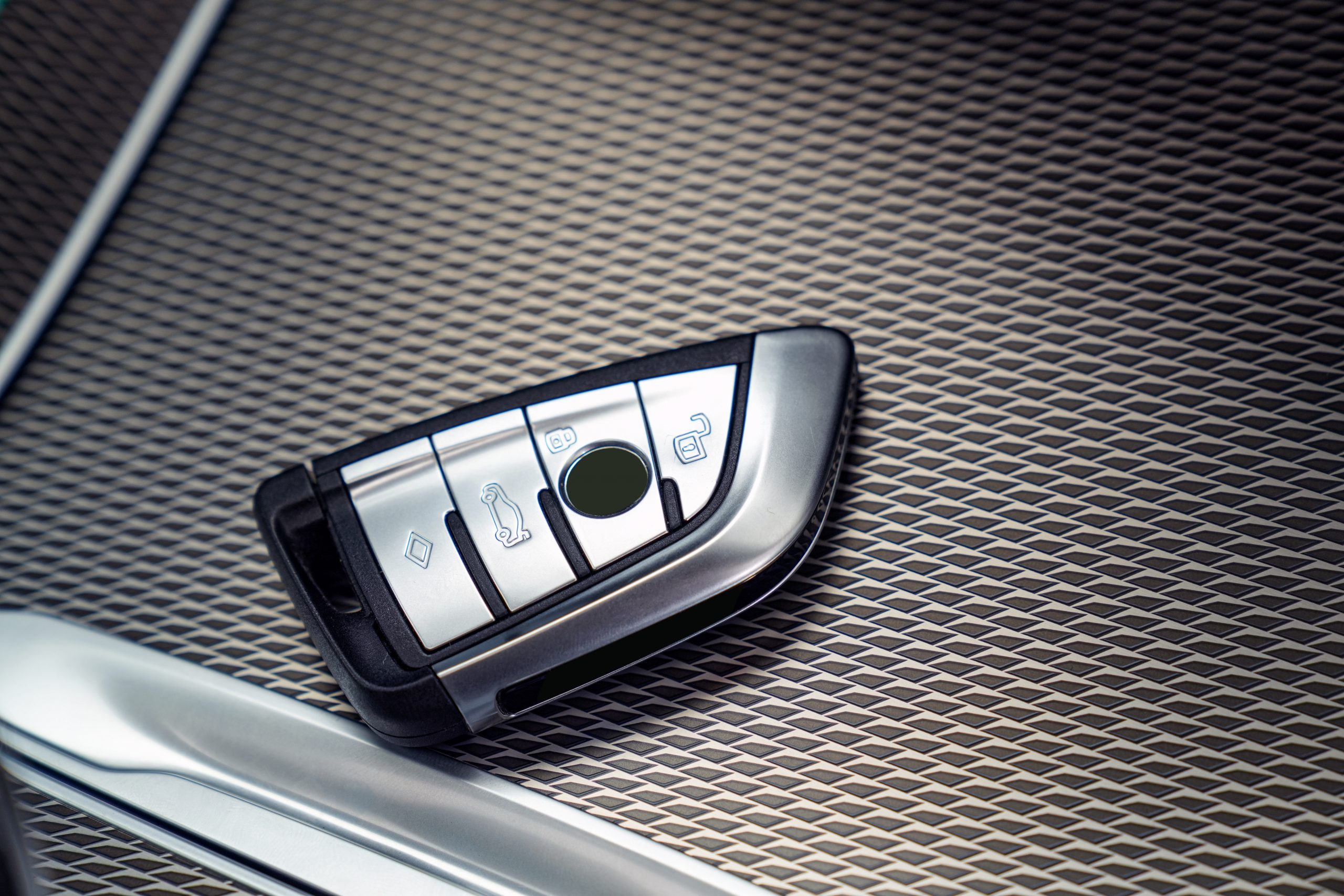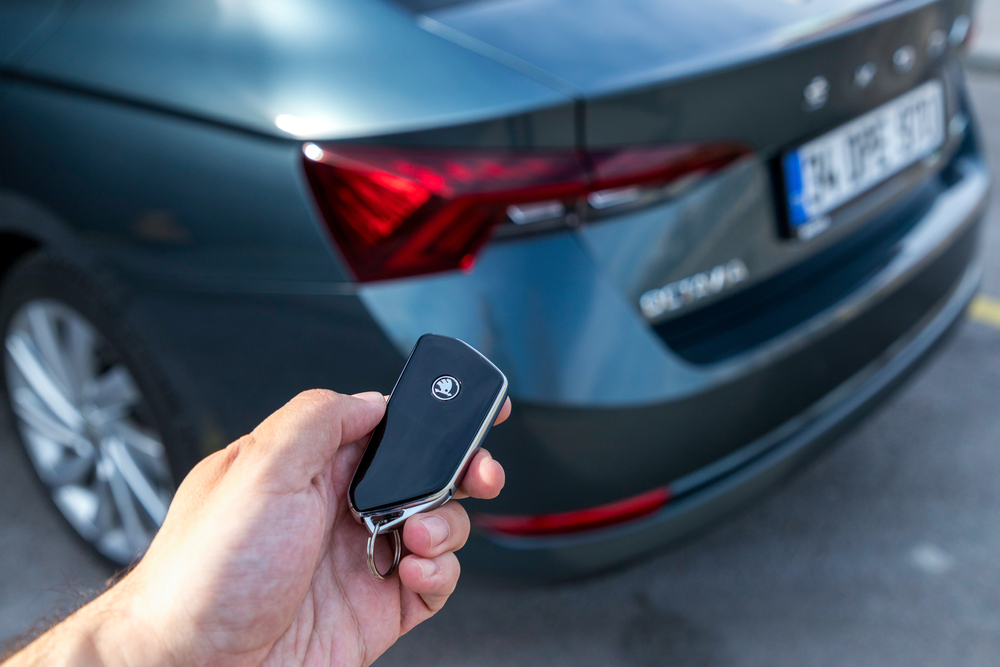
Your Key Maker Automotive Locksmith sees a clear spike in winter car key problems across Ottawa every time the temperature drops, and most of them trace back to the same handful of causes. A fob that worked all summer suddenly needs three presses. A door lock freezes solid. A key feels stiff in the ignition. The reassuring news is that winter car key problems are predictable, and a little preparation keeps them from ruining your morning.
This guide walks through why the cold affects car keys, how to handle each common issue safely, and the simple steps that prevent them. Spend a few minutes now and you can avoid being stranded in a frozen parking lot later.
Why the Cold Causes Winter Car Key Problems
Cold weather works against your car key in two main ways. Understanding both makes every fix easier.
The first is battery chemistry. The small coin cell inside your fob delivers less power as the temperature falls. That weaker output shows up as shorter range, slow button response, or a fob that only works right next to the door.
The second is moisture and ice. Water finds its way into door locks and ignition cylinders. It then freezes when the mercury drops. The ice binds the mechanism. The key will not turn, even though nothing is actually broken.
Dealing With a Weak or Dead Key Fob
A fading fob is the most common of all winter car key problems. It rarely dies without warning, so a little attention goes a long way.
If your fob needs multiple presses or only works up close, suspect the battery first. Replacing a coin cell is quick and easy. It often restores full range immediately. Keep a spare battery at home through the winter so a weak fob never becomes a dead one.
When a fresh battery does not help, the fob itself or the vehicle’s receiver may be the issue. That is when a professional diagnosis saves guesswork. Our key fob replacement service can test the fob, replace it if needed, and program the new one to your car.
Handling Frozen Door Locks and Ignitions
A frozen lock is startling, but the fix is gentle and simple. Force is the one thing to avoid.
Warm the metal key in your hand or carefully with a warm cloth, then slide it in slowly to pass heat to the cylinder. A lock de-icer is the other reliable tool, lowering the freezing point so the ice releases. Repeat patiently and most locks free up within a few tries.
Never pour hot water on a frozen lock. It refreezes fast and can crack the cylinder. For general cold-weather vehicle readiness, the CAA shares practical winter driving tips worth reviewing before the season peaks.
When the Ignition Feels Stiff
A stiff ignition in the cold deserves care. If the key resists turning, do not wrench it, since a worn key can snap under that strain.
Try warming the key and gently working it. If the ignition stays stubborn, have it checked, because a sticky cylinder often signals wear that the cold has simply exposed.
Winter Car Key Problems at a Glance
The table below matches each common winter issue to its likely cause and first move.
| Symptom | Likely cause | First step |
|---|---|---|
| Fob needs several presses | Weak coin battery | Replace the fob battery |
| Fob works only up close | Cold-reduced range | Fresh battery, warm the fob |
| Key will not turn in door | Frozen cylinder | Warm the key, use de-icer |
| Ignition feels stiff | Ice or worn cylinder | Warm key, have it checked |
Preventing Winter Car Key Problems Before They Start
Prevention is the whole game with winter car keys. A short autumn routine heads off nearly every issue above.
Replace an aging fob battery before the deep cold arrives, and choose a quality battery for the best cold-weather performance. Keep a lock de-icer in your coat and another at home, never only in the glovebox where a lockout puts it out of reach.
Finally, address any lock or ignition that already sticks. A mechanism that struggles in autumn will struggle more in January. A quick visit from our mobile automotive locksmith sorts out worn parts before they fail in the cold.
Why Mobile Service Helps in Winter
A frozen car is rarely parked somewhere convenient. That is where a mobile locksmith earns its keep.
Instead of pushing a stubborn key or waiting for a tow, you can have help come to the car. A mobile specialist works at your driveway, your workplace, or a snowy lot. The key is made, the fob is sorted, or the lock is freed right where the vehicle sits.
This matters most on the coldest days. Standing outside fighting a frozen lock is miserable. It can also damage the key. A quick call turns a long, cold wait into a short, warm one.
Frequently Asked Questions
Why does my key fob stop working in winter?
Cold weather weakens the small battery inside a fob, so its range drops and buttons respond slowly. A fresh battery usually restores normal performance once the temperature falls.
Can cold weather really drain my car key battery faster?
Yes. Low temperatures reduce how much energy a small coin battery can deliver, so a fob that seemed fine in autumn can fade on the first truly cold week.
My car door lock is frozen. What should I do?
Warm the key gently and try a lock de-icer rather than forcing it. If the key or lock will not budge, stop before a key snaps and call a mobile locksmith.
Should I replace my fob battery before winter?
It is a smart move. A fresh battery in the autumn gives you the best range and reliability through the coldest months and reduces the chance of a dead fob.
Talk to an Ottawa Automotive Locksmith
Winter car key problems are easiest to beat before they start, so a little autumn prep pays off all season. Call Your Key Maker Automotive Locksmith at 613-909-9821 to reach a mobile car key specialist. We are based at 12 Pelham Cres in Richmond, Ontario, and serve drivers across Ottawa and the surrounding area Sunday through Thursday from 7:30 am to 11:00 pm, and Friday from 7:30 am to 5:00 pm.