Your Key Maker Automotive Locksmith gets a lot of questions from Ottawa drivers about the different types of car keys, usually when a replacement is needed and the options suddenly feel confusing. Car keys have evolved far beyond a simple piece of cut metal. Knowing the main types of car keys helps you understand your own vehicle, plan for a replacement, and avoid surprises about timing and what to expect.
This guide walks through the common key types in plain language, from the oldest designs to the latest smart systems. By the end, you will know roughly where your own key fits.
Where Your Key Fits Among the Types of Car Keys
Before the details, it helps to see the big picture. The types of car keys fall along a timeline from simple to sophisticated.
Older vehicles use purely mechanical keys. Newer ones layer in electronics, from a hidden chip to full keyless entry. Your car almost certainly sits somewhere on that line, and the rest of this guide shows exactly where.
The Traditional Metal Key
The classic metal key is where it all began, and plenty of older vehicles still use one. It is purely mechanical, with cuts that match the pins inside the lock and ignition.
These keys are the simplest of all the types of car keys. A locksmith can cut a duplicate quickly from an existing key or, in many cases, from the lock itself. There is no electronic programming involved.
If you drive an older car, this is likely your key. The upside is easy, fast duplication. The trade-off is less built-in theft protection than newer systems offer. If a worn metal key ever snaps in the lock, our broken key extraction removes it cleanly.
Transponder Keys and Remote Head Keys
Transponder keys brought electronics into the picture, and they are now among the most common keys on the road. A tiny chip in the key communicates with the vehicle’s immobilizer.
If the chip does not send the correct signal, the engine will not start, even if the cut metal fits. This is a major anti-theft improvement. It also means a replacement must be programmed to the car, not just cut.
Remote head keys combine this chip with the lock and unlock buttons in one unit. Our transponder and car key service cuts and programs these keys so the new one starts your vehicle properly.
Flip Keys, Smart Keys, and Push-to-Start
Newer vehicles introduced even more convenience, and a few more key designs along the way. Each adds features over the designs before it.
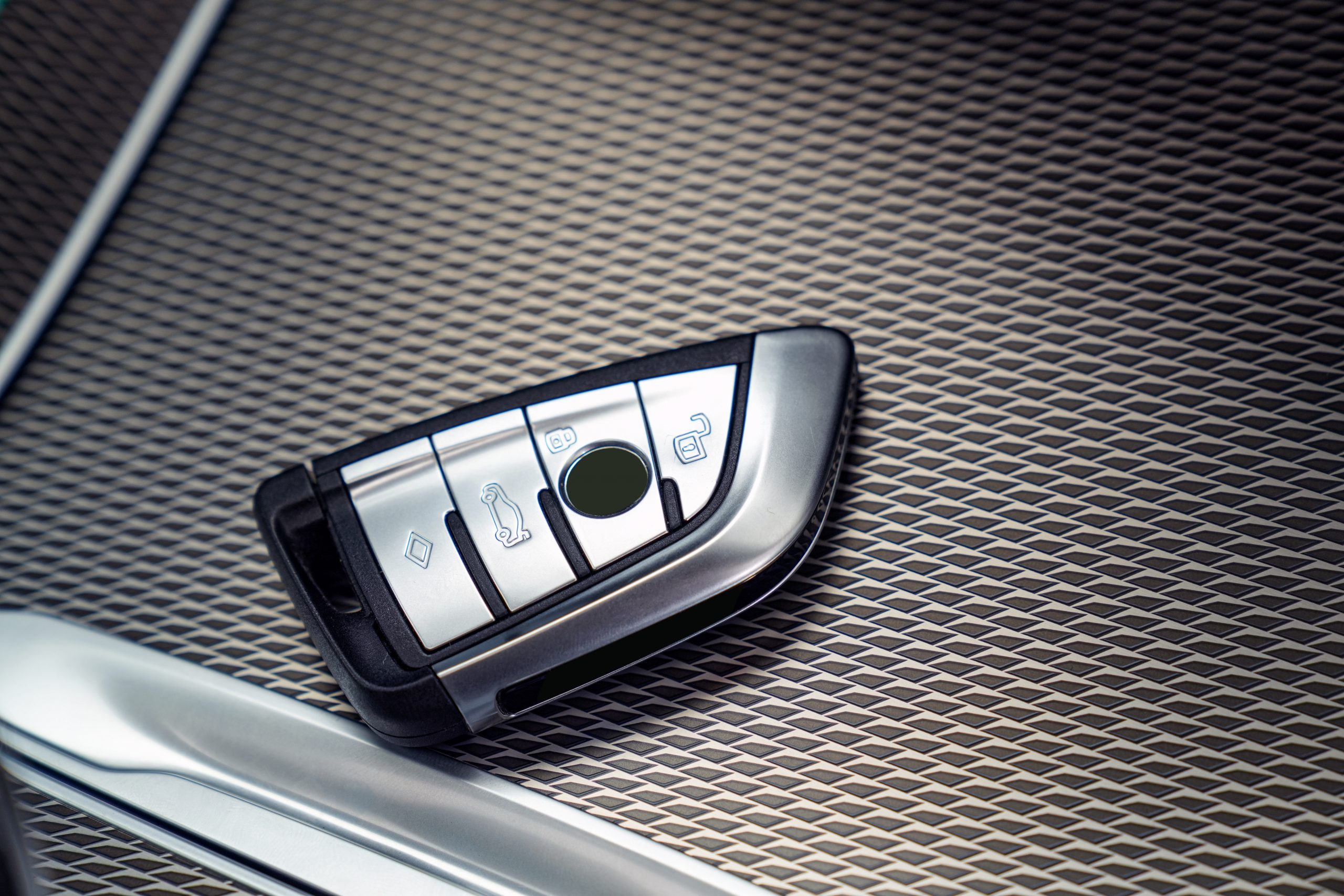
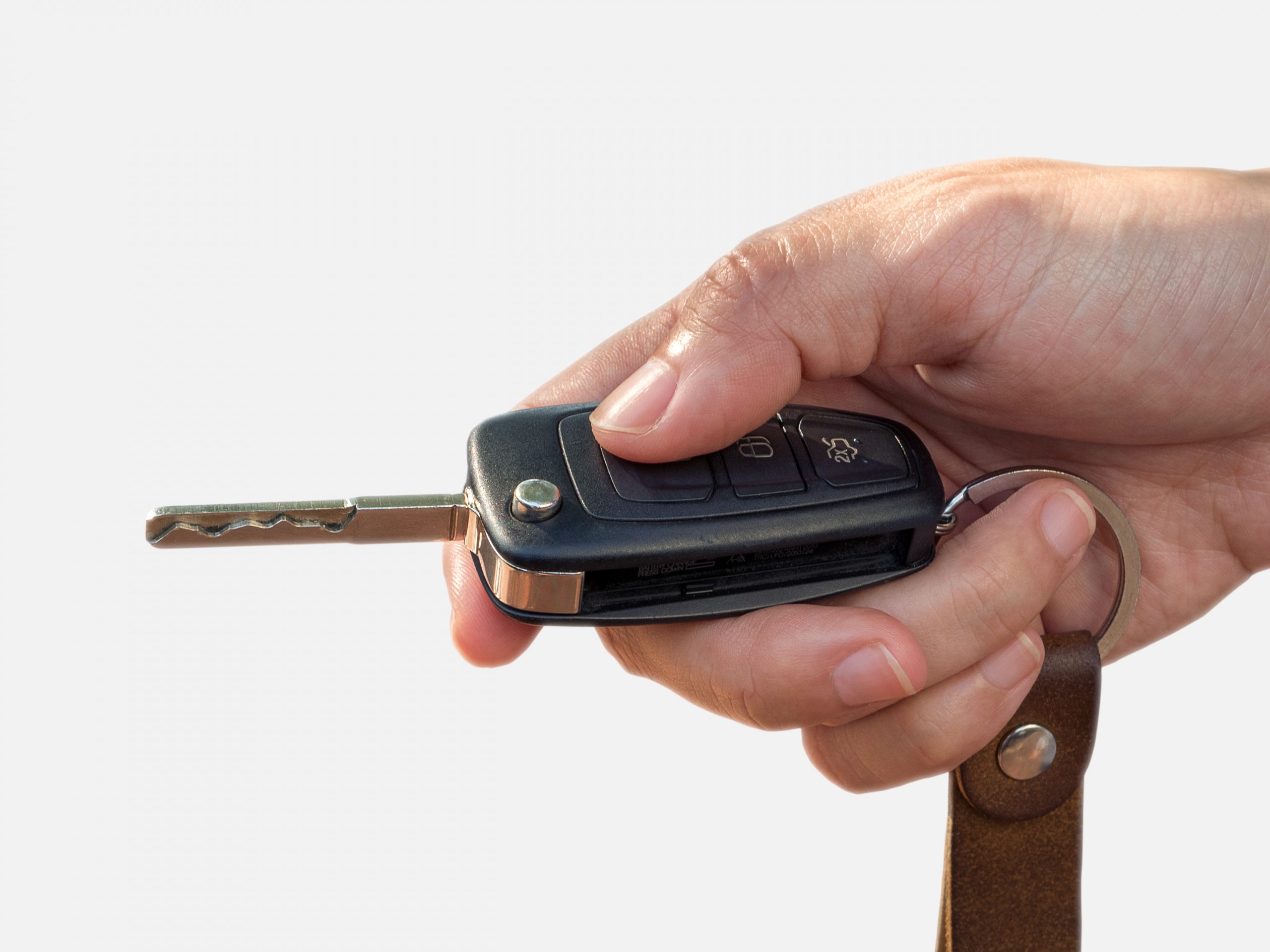
A flip key tucks the metal blade into the fob and springs out at the push of a button. A proximity or smart key goes further, letting you unlock and start the car while the key stays in your pocket. Push-to-start systems pair with these smart keys, replacing the turn of a key with a button.
These systems are convenient and secure, but they rely on programming and a healthy battery. When one fails, the fix is usually programming or a battery rather than a simple cut. A smart key is less about metal and more about the signal it sends.
Comparing the Types of Car Keys
The table below sums up the main key types and what a replacement involves.
| Key type | How it works | Replacement involves |
|---|---|---|
| Metal key | Mechanical cuts only | Cutting |
| Transponder key | Chip signals the immobilizer | Cutting and programming |
| Remote head key | Chip plus lock buttons | Cutting and programming |
| Flip key | Blade folds into a fob | Cutting and programming |
| Proximity smart key | Keyless unlock and start | Programming and pairing |
Why Knowing Your Key Type Helps
Understanding your key type is more than trivia. It shapes how a replacement is made and what to expect.
A metal key is fast and simple. A transponder or smart key needs the right equipment and programming, which a dealer and a mobile locksmith can both provide. Knowing your type lets you ask the right questions and choose the more convenient option.
It also helps you protect what you have. If your car uses a smart key, keeping the battery fresh and the fob safe matters more. For broader guidance on vehicle rules and safety in Canada, Transport Canada maintains a road transportation resource.
Choosing a Replacement With Confidence
Once you know your key type, replacing one is far less daunting. The type tells you what the job involves and who can do it.
For a simple metal key, almost any locksmith can help on short notice. For a transponder or smart key, look for a specialist with the right programming equipment. A mobile automotive locksmith can usually come to you for both, which beats arranging a tow to a dealer.
Always confirm your vehicle’s year, make, and model when you call. That detail lets the locksmith arrive with the correct blank or fob. Your replacement is then finished in one visit rather than two.
Frequently Asked Questions
What are the main types of car keys?
They range from traditional metal keys to transponder keys, remote head keys, flip keys, proximity smart keys, and push-to-start systems. Newer vehicles lean toward transponder and smart-key technology.
How do I know which type of key my car uses?
The shape is a strong clue, but the year and model tell the full story. A locksmith can confirm the exact type and what is needed to cut or program a replacement.
Are newer car keys harder to replace?
Smart keys and transponder keys need programming, not just cutting, so they take more equipment than an old metal key. A qualified automotive locksmith handles both routinely.
Can one locksmith handle every type of car key?
A well-equipped automotive locksmith works with the full range, from basic metal keys to modern proximity fobs. It is always worth confirming your make and model when you call.
Talk to an Ottawa Automotive Locksmith
Once you know where your key fits among the types of car keys, planning a replacement becomes simple. Call Your Key Maker Automotive Locksmith at 613-909-9821 to reach a mobile car key specialist. We are based at 12 Pelham Cres in Richmond, Ontario, and serve drivers across Ottawa and the surrounding area Sunday through Thursday from 7:30 am to 11:00 pm, and Friday from 7:30 am to 5:00 pm.