Can Summer Heat Destroy Your Car Keys and Key Fobs?
Summer heat in Ottawa climbs into the 80s and 90s Fahrenheit affecting vehicle electronics significantly. Your car keys contain sensitive electronic components vulnerable to extreme temperatures. Furthermore, many drivers leave keys exposed to direct sunlight creating dangerous heat accumulation. Understanding heat damage mechanics prevents expensive emergency replacements during summer vacations. Your Key Maker’s expertise identifies heat-damaged components before complete failure occurs.
Electronic Fob Components Fail in Extreme Heat
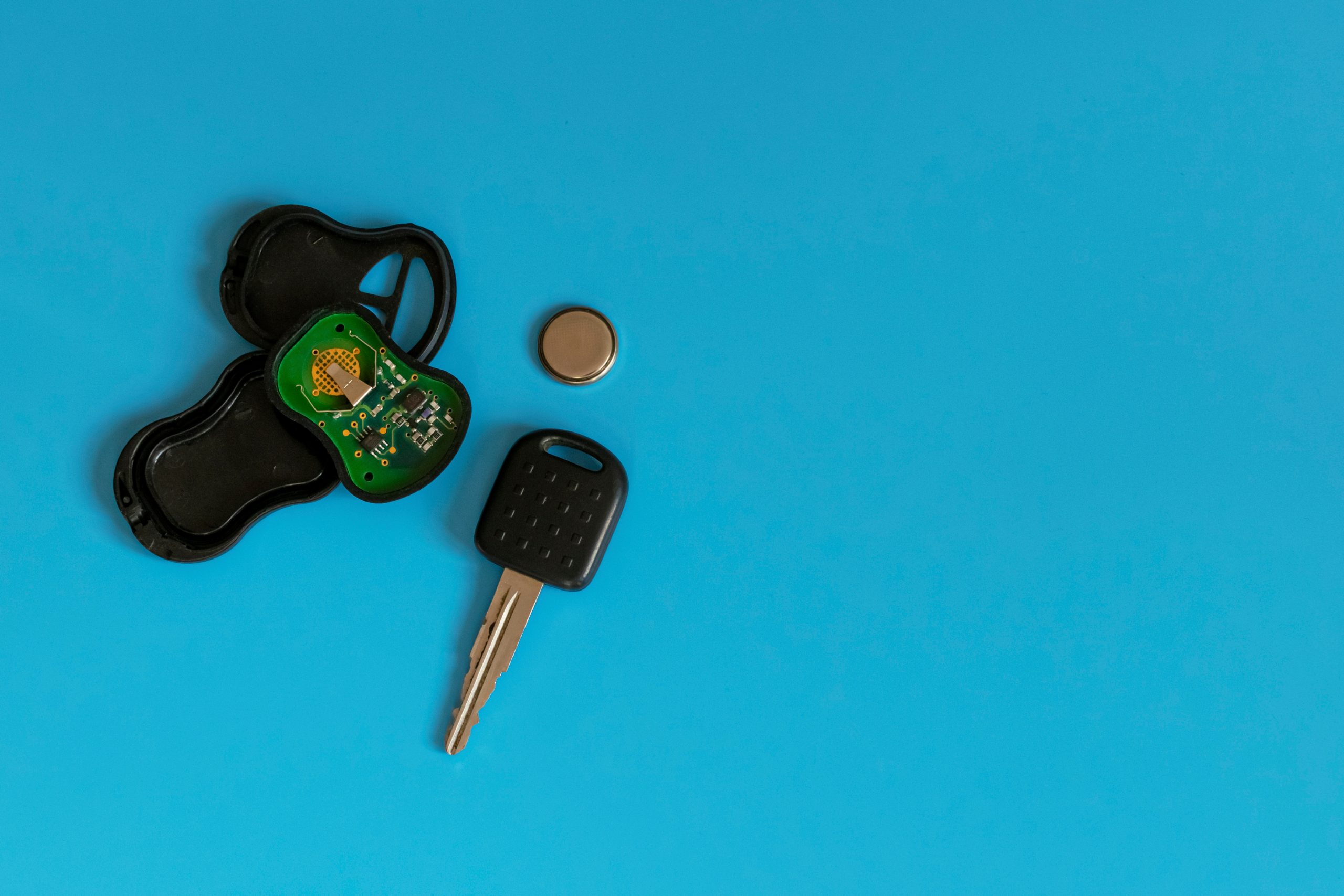
Modern key fobs contain circuit boards and battery components sensitive to temperature extremes. Leaving fobs on car dashboards exposes them to 150+ degree temperatures. Battery materials deteriorate chemically breaking down electrical connections. Circuit board solder points weaken losing electrical contact permanently. Your Key Maker’s damaged fob replacement solutions restore wireless access when heat damage occurs. Prevention through proper storage prevents expensive emergency replacements.
Transponder Chip Integrity Weakens Under Heat Stress
Transponder key chips contain delicate microelectronics sensitive to temperature fluctuations. Heat causes microscopic expansion and contraction damaging internal connections. Chips gradually lose signal strength until vehicle ignition no longer recognizes authorization. Heat-damaged transponder restoration requires complete chip replacement in many situations. Your Key Maker identifies failing transponders before complete system failure. Early replacement prevents vacation emergencies.
Heat Affects Key Material Integrity
Metal key composition experiences stress from temperature extremes. Brass and steel expand differently under heat creating internal stress. Repeatedly heating and cooling accelerates wear patterns leading to premature key failure. Plastic key components soften under extreme temperatures changing mechanical dimensions. Your Key Maker’s complete key renewal services address heat-damaged materials before failure occurs. Prevention involves protecting keys from direct sunlight exposure.
Recognizing Early Signs of Heat Damage
Warning signs precede complete key failure. Inconsistent wireless access indicates fob circuit board degradation. Difficulty turning keys signals material stress from thermal cycling. Engine starting requiring multiple key attempts suggests transponder chip weakening. Your Key Maker diagnoses heat-related problems before emergency lockouts occur. Early identification enables planned replacement preventing vacation disruptions.
Summer Storage Prevents Heat Damage
Proper storage eliminates majority of heat-related problems. Store keys inside air-conditioned vehicles rather than exposed dashboards. Avoid keeping keys in pockets during outdoor activities. Never leave keys visible on seats. Your Key Maker recommends keeping keys shaded during summer months. Additionally, periodically check key function ensuring components remain responsive. Prevention costs far less than emergency summer replacements.
Emergency Replacement When Heat Damage Occurs
Despite prevention efforts, heat damage sometimes requires emergency service. Your Key Maker’s emergency access during failures restores vehicle access immediately. We maintain replacement parts and programming equipment enabling same-visit completion. Furthermore, our 24/7 availability accommodates unexpected summer emergencies. Comprehensive diagnostics identify root causes preventing recurring failures.
Professional Heat Damage Assessment
Your Key Maker’s technicians inspect keys identifying heat damage accurately. We test fob range and transponder recognition confirming operational status. Visual inspection reveals material stress and component degradation. Our expertise distinguishes heat damage from other failure causes. Professional assessment enables appropriate solutions addressing actual problems. Preventive testing during regular visits eliminates summer emergency surprises.
FAQs
Q: How hot does it need to be to damage car key fobs?
Sustained temperatures above 120 degrees Fahrenheit damage electronic components. Vehicle interiors reach 150+ degrees on hot summer days. Dashboard exposure creates rapid deterioration of battery and circuit components. Leaving fobs in direct sunlight accelerates heat damage dramatically. Your Key Maker recommends storing fobs in climate-controlled locations during summer months.
Q: Can heat-damaged key fobs be repaired or must they be replaced?
Minor heat damage sometimes allows component replacement. Battery swaps fix some issues. Circuit board repair rarely succeeds with severe heat damage. Most heat-damaged fobs require complete replacement. Your Key Maker diagnoses your specific situation providing accurate repair versus replacement recommendations.
Q: Will my car insurance cover heat-damaged key fob replacement?
Most insurance policies exclude key damage from coverage. Some plans include roadside assistance covering locksmith services. Review your specific policy details. Your Key Maker provides transparent upfront pricing for replacement. Our rates typically cost less than insurance deductibles anyway.
Q: How can I tell if my transponder key is experiencing heat damage?
Early signs include inconsistent wireless function and difficulty starting the engine. Your car may sometimes not recognize your key. Multiple key attempts become necessary for engine ignition. Your Key Maker’s diagnostic testing confirms transponder chip degradation before complete failure.
Q: What’s the best way to protect car keys during summer travel?
Keep keys shaded and climate-controlled always. Avoid leaving keys on dashboards or in direct sunlight. Store keys in interior pockets or bags. When entering hot vehicles, retrieve keys from heat exposure immediately. Your Key Maker recommends testing key function before extended summer travel. Early identification prevents vacation emergencies.