Your Key Maker completes car key duplication Ottawa drivers rely on when a household needs a second set of keys or a spare for a teen driver. Duplicating a key sounds simple, but the process varies depending on the vehicle. A basic metal blade differs greatly from an electronic key packed with transponder chips and remote functions. Knowing the difference helps drivers set realistic expectations before requesting a copy.
Why Drivers Request a Duplicate Key
Families often need more than one working key once multiple drivers share a vehicle. A spare also protects against the disruption of a lost or damaged original. Replacing a single lost key from scratch takes longer than handing over a spare that already works.
Parents of new drivers frequently request a duplicate for this exact reason. A teenager carries their own key instead of borrowing the household’s only copy. Long commutes and unpredictable schedules make a second key a practical safeguard, not a luxury.
Basic Copies Versus Precision Car Key Duplication Ottawa Work
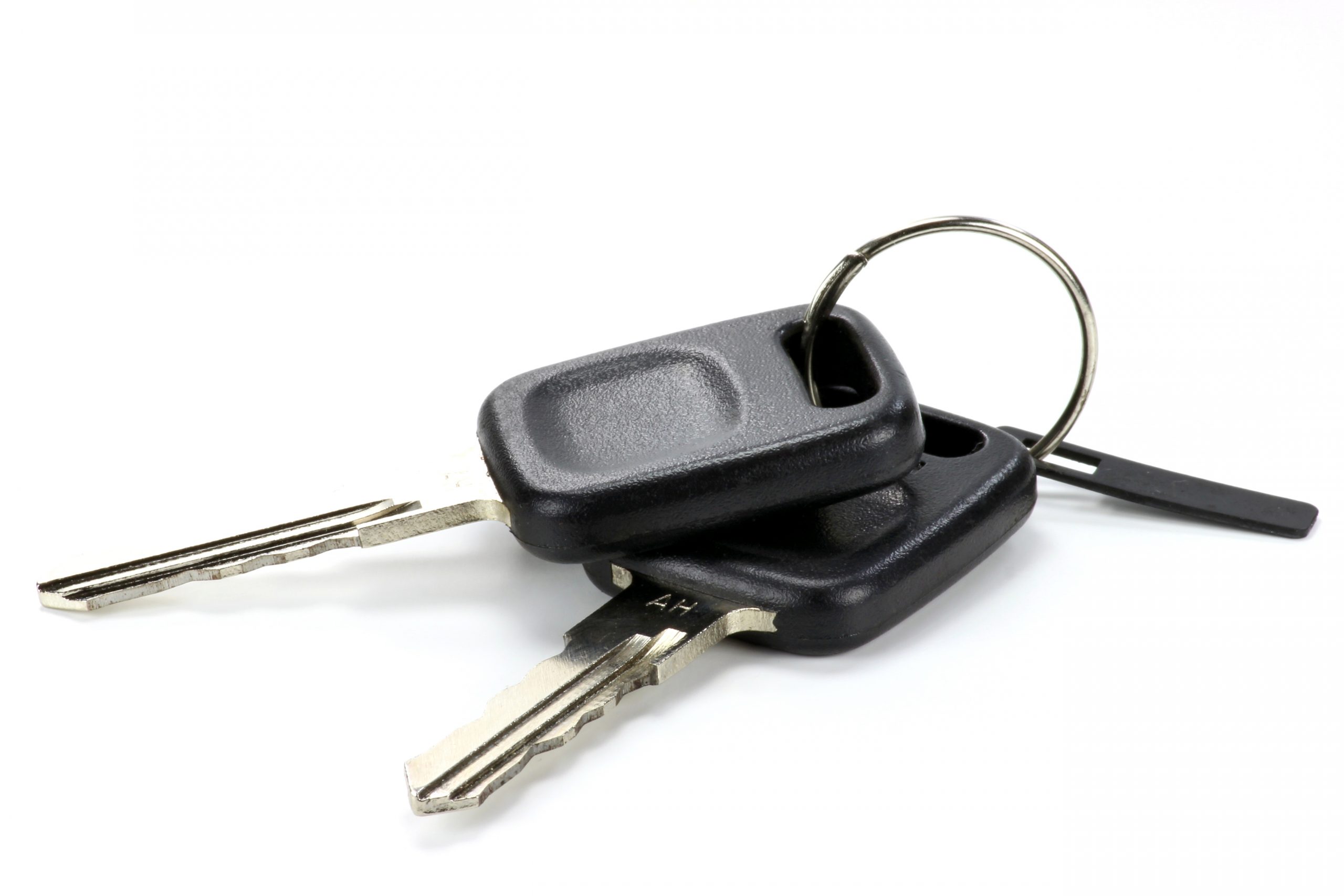
Not all key copying machines produce the same result. Older mechanical keys can sometimes be duplicated quickly with basic equipment. Even here, precision matters. A poorly cut blade can wear down a lock cylinder or fail to turn smoothly.
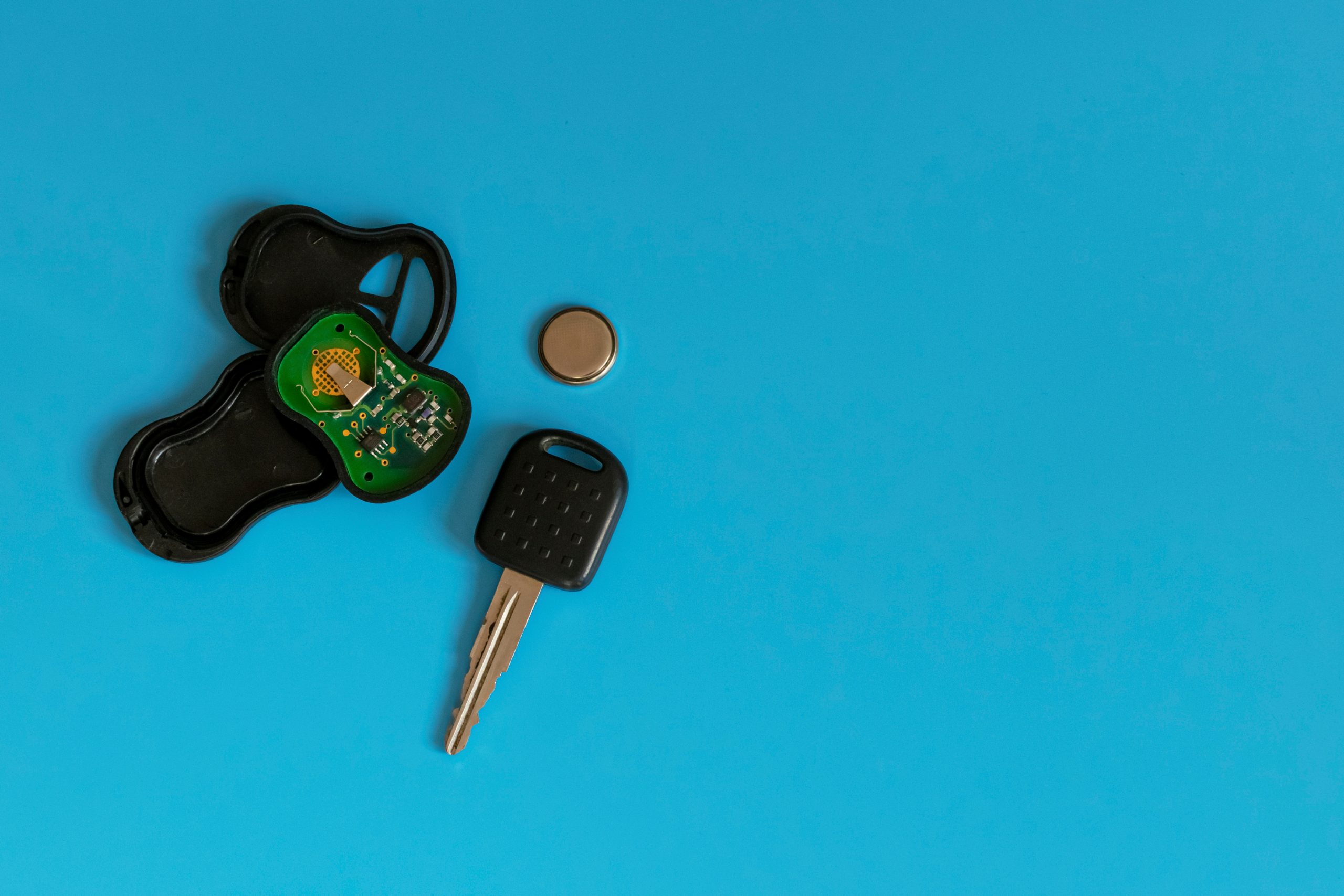
Modern vehicles complicate the process further. Most keys made in the last two decades contain a transponder chip. That chip must be programmed to communicate with the car’s immobilizer system. A copy that only matches the physical shape of the blade will not start the engine unless the chip is also cloned or freshly programmed.
What the Duplication Process Involves
The technician first identifies the exact key type used by your vehicle. Even the same manufacturer often uses different systems across model years. This step prevents wasted time cutting a blank that will not fit the ignition or door lock correctly. Every car key duplication Ottawa appointment starts with this identification step before any cutting begins.
Cutting the physical blade comes next. The original key serves as a template, or the vehicle’s lock cylinder becomes the reference when no original exists. For transponder and remote-equipped keys, programming follows immediately after cutting. This syncs the new key’s chip to the vehicle’s onboard computer.
| Key Type | How It Works | When You Need It |
|---|---|---|
| Basic mechanical key | Cut blade matches lock pins | Older vehicles without electronics |
| Transponder key | Chip communicates with immobilizer | Most vehicles from the mid-1990s onward |
| Remote head key | Blade plus built-in unlock buttons | Vehicles combining physical and remote entry |
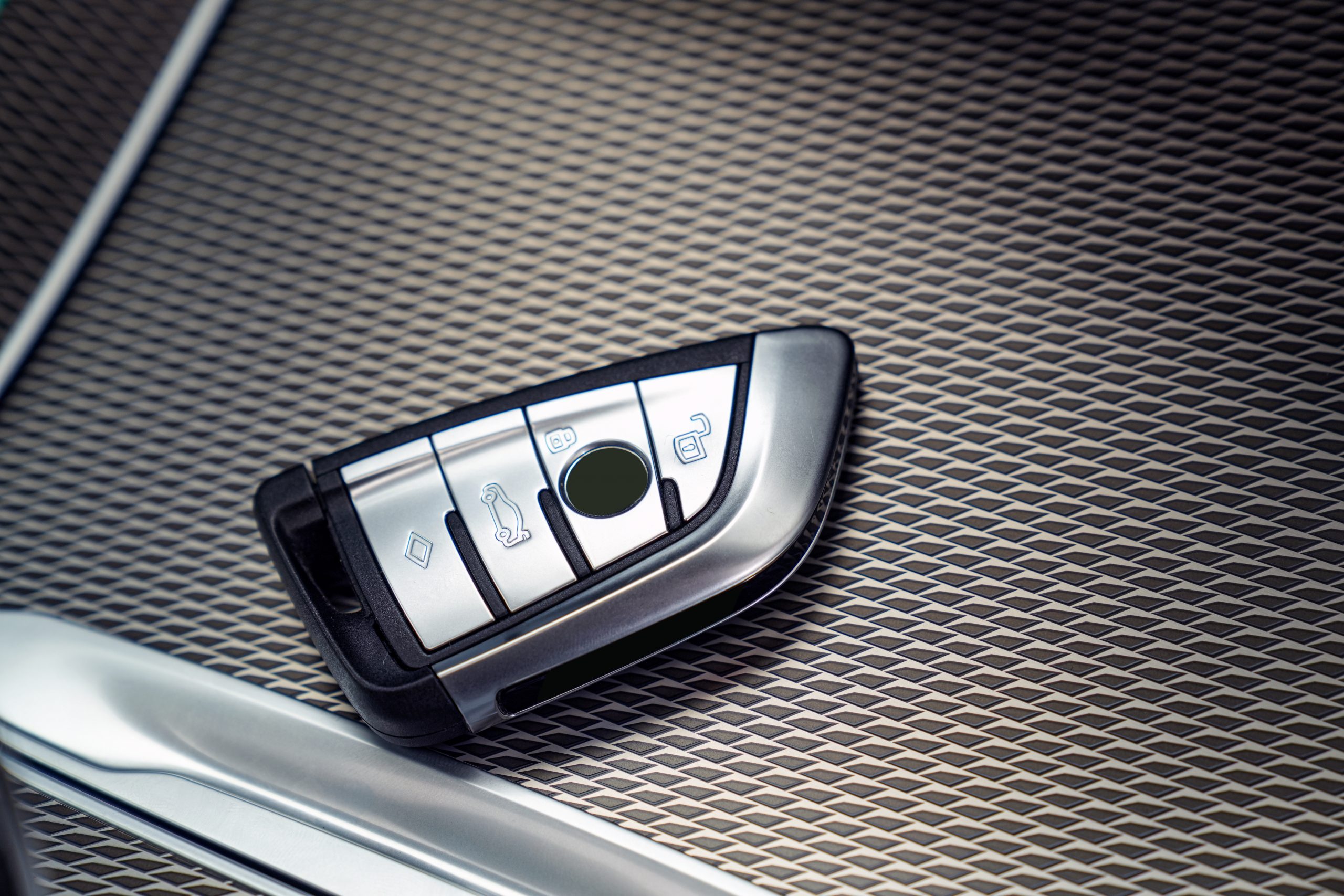
| Smart or proximity key | Detects fob without insertion | Push-to-start vehicles |
Precision Matters More Than It Seems
A key that looks correct but is cut even slightly off can still cause problems. Sticking in the ignition, difficulty turning the lock, or premature wear on the cylinder often trace back to an imprecise duplicate. The vehicle itself is rarely the actual defect.
Precision equipment reads the original key’s exact measurements. It does not rely on a rough visual match, which produces a copy that performs identically to the factory original. This distinction matters most for daily-use keys. A slightly flawed copy might work fine occasionally but fail at an inconvenient moment under regular use.
Duplicating When You Only Have One Key Left
Some households wait until they are down to a single working key before requesting a spare. This raises the stakes if that last key is lost or damaged during the process. A skilled technician handles this scenario carefully, working directly from the lock cylinder to create a new key without risking the original.
This situation highlights why acting early makes sense. Waiting until only one key remains removes the safety margin a spare provides. It turns a routine visit into an urgent one if that final key goes missing. Anyone facing that exact problem can review our full key replacement service for the steps involved when no working key remains at all.
Choosing a Qualified Car Key Duplication Ottawa Locksmith
Not every duplication service handles transponder programming correctly. A poorly matched chip can cause the new key to work for door access while failing to start the engine. Verifying that a locksmith carries current training and proper diagnostic equipment avoids this frustration.
Industry organizations such as the Associated Locksmiths of America maintain training and certification standards. Many professional locksmiths use these as a benchmark, even outside the United States, since automotive key systems follow largely similar principles across North America. Asking about credentials before booking service is a reasonable step for any vehicle owner.
Timing Your Car Key Duplication Ottawa Appointment
Booking a spare while the original key still works in good condition is always easier than waiting for a problem to force the issue. A relaxed appointment allows the technician to take accurate measurements without the added pressure of a household being down to zero working keys.
Seasonal timing matters too. Ottawa winters put extra strain on locks and keys, so scheduling duplication before the coldest months arrive is a sensible habit. Drivers who plan ahead avoid the scramble that often comes with a lost or broken key during a snowstorm.
Storing Duplicates Safely
A spare key only helps if it is stored somewhere you can actually reach in an emergency. Hiding a physical key on the vehicle itself is rarely a good idea, since experienced thieves check the usual spots first. A better option is leaving a spare with a trusted household member or a nearby family contact.
For electronic and transponder keys, storage location matters less than protecting the fob from extreme heat, moisture, or drops. A duplicate stored safely today saves considerable stress the next time an original key goes missing or a lock proves stubborn on a cold morning. Booking car key duplication Ottawa service before that moment arrives is far less stressful than scrambling afterward.
Frequently Asked Questions
Can any key be duplicated, even without the original?
In most cases, yes. If the original is lost entirely, a technician can typically create a new key using the vehicle’s identification number and lock cylinder. This process differs from standard duplication and usually takes a bit longer.
Do all vehicles need a programmed transponder chip?
Most vehicles built after the mid-1990s use some form of transponder or immobilizer technology. Older vehicles with purely mechanical keys do not require programming, but confirming your vehicle’s system before booking saves time.
How is a spare key different from a broken key repair?
A spare key is a proactive copy made while the original still works. Our broken key extraction help page covers what happens after a key has already snapped inside a lock or ignition.
Will a duplicated key wear out my lock faster?
A precisely cut duplicate should not cause extra wear. An imprecise copy, however, can strain the lock cylinder over repeated use. This is why precision equipment matters more than the duplication process seems at first glance.
How many spare keys should a household actually have?
Most households benefit from at least one spare per regular driver, plus an emergency backup stored somewhere secure. The right number depends on how many people drive the vehicle and how often keys get misplaced.
Contact Your Key Maker
Call Your Key Maker at (613) 909-9821 for car key duplication across Ottawa and the surrounding region. Hours run Sunday through Thursday from 7:30am to 11pm and Friday from 7:30am to 5pm, with Saturday closed, based at 12 Pelham Cres, Richmond, ON. Coverage extends across service areas across the region surrounding the city.